
Eco-Friendly Outdoor Spaces Through Sustainable Landscape Design
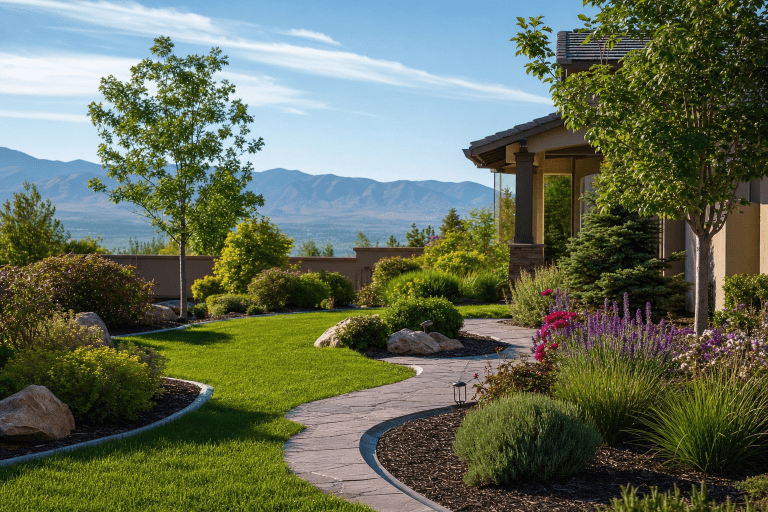
The most effective outdoor spaces in Carson City and Incline Village share a common trait. Every element works together efficiently. Native plants grow alongside well-placed hardscaping, water reaches plants precisely where needed, and the landscape integrates naturally with the high desert environment.
This results from sustainable landscape design with irrigation efficiency, an approach changing how homeowners in Reno, Sparks, and surrounding communities approach their outdoor spaces. Instead of working against our climate and terrain, this method uses natural conditions to create functional and environmentally responsible landscapes.
Why Sustainable Design Matters in Our Desert Climate
The elevation changes from Lake Tahoe’s shores to the valleys around Reno and Sparks create challenges that make sustainable landscaping both environmentally sound and financially practical. With rising water costs and frequent drought conditions, homeowners throughout Carson City and Incline Village find that eco-friendly design creates outdoor spaces that perform better over time.
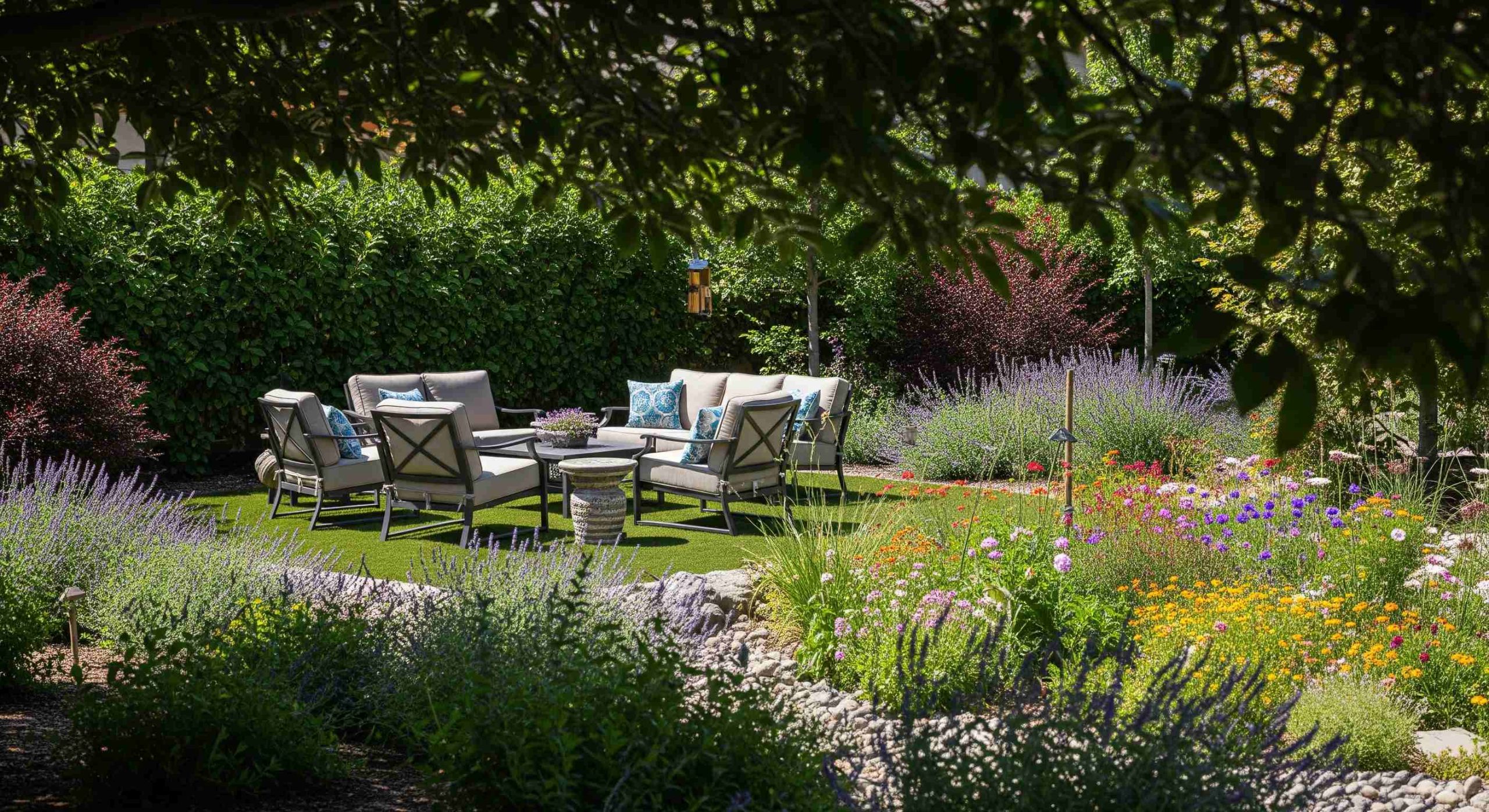
Traditional suburban landscapes include water-hungry grass struggling in alkaline soil, ornamental plants requiring constant irrigation, and hardscaping that sends rainfall directly into storm drains. Sustainable design features drought-tolerant native plants providing year-round interest, permeable pavers allowing rainwater to recharge groundwater, and irrigation systems delivering water precisely when and where needed.
The practical difference includes less maintenance, better performance during weather extremes, and increased beauty and value as plants mature and systems optimize.
Understanding Your Site for Design Success
Sustainable landscape design starts with understanding specific site conditions. A slope in Carson City faces different challenges than a flat lot in Sparks, and microclimates around Lake Tahoe create unique opportunities.
- Topography assessment involves analyzing how most properties throughout Reno, Sparks, and Incline Village have slopes creating challenges and opportunities. Steep areas face erosion during thunderstorms, while flat areas may have drainage issues. Professional retaining wall installation controls erosion while creating terraced planting areas that collect and infiltrate water naturally.
- Soil analysis examines how alkaline soils and clay hardpan layers throughout Carson City affect plant selection and irrigation efficiency. Sustainable design works with existing soil rather than fighting it. Clay areas suit plants preferring steady moisture, while sandy areas work well with drought-tolerant species.
- Microclimate mapping identifies how properties contain multiple growing zones based on sun exposure, wind patterns, and moisture levels. North-facing areas stay cooler and retain moisture, while rocky areas with good drainage showcase drought-tolerant perennials and ornamental grasses.
Smart Irrigation Technology for Water Conservation
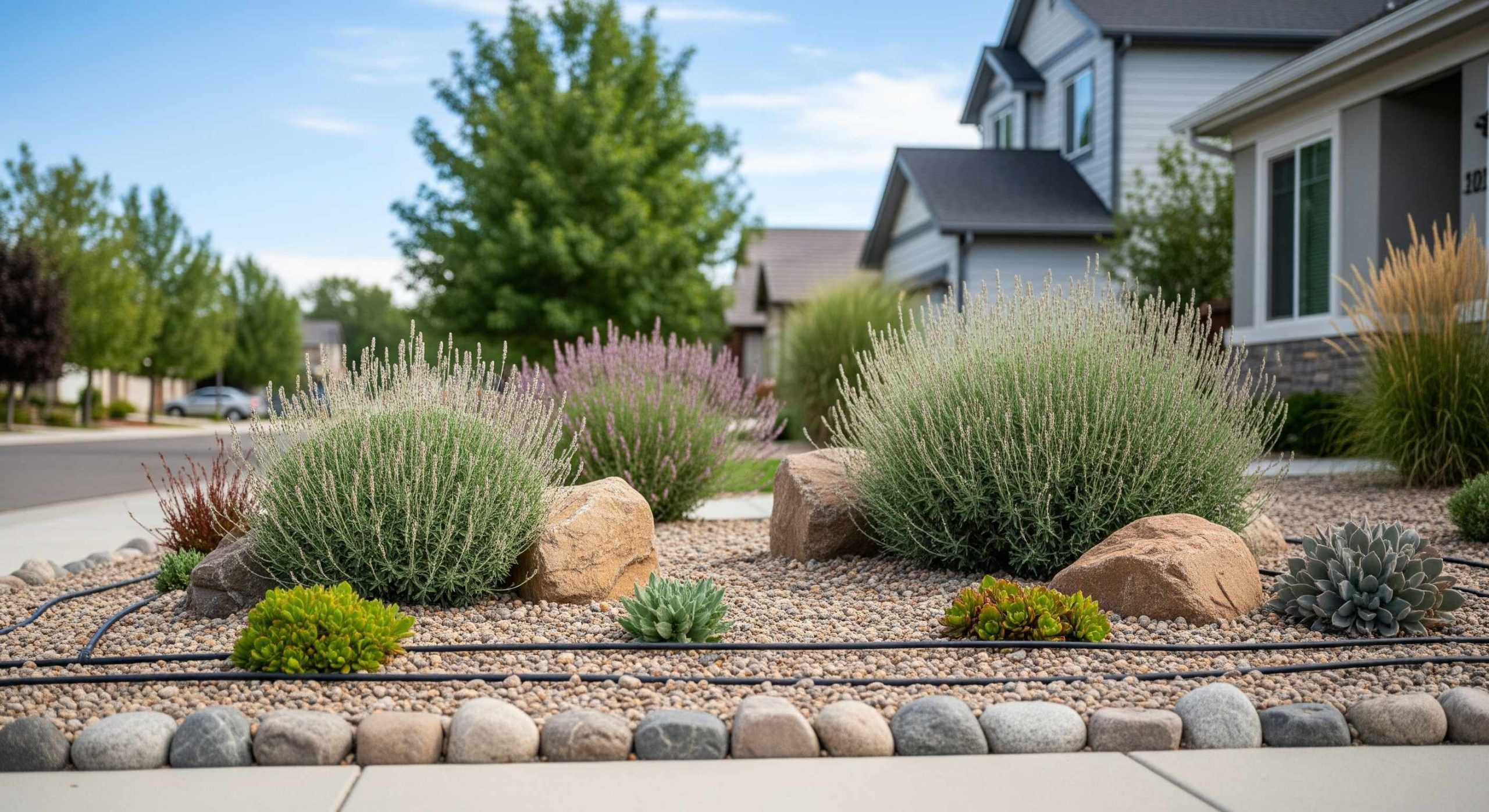
Modern irrigation technology treats water as a resource requiring precise and efficient use. Effective sustainable landscape design with irrigation efficiency creates distinct zones based on plant water needs, sun exposure, and soil conditions.
Zone-based systems might group drought-tolerant natives on south-facing slopes with minimal watering while placing moisture-loving shade plants near houses with frequent irrigation. This approach matches water delivery to actual plant needs rather than uniform coverage.
Professional irrigation installation using micro-irrigation and drip systems delivers water directly to plant root zones, eliminating evaporation losses and reducing waste. Properly designed systems reduce water usage by 30-50% compared to conventional sprinklers while improving plant health. Subsurface drip irrigation creates invisible networks watering root zones without surface loss, while above-ground systems with pressure-compensating emitters ensure consistent water delivery regardless of elevation changes.
Plant Selection for High Desert Conditions
Plant selection focuses on species naturally adapted to conditions found throughout Reno, Sparks, Carson City, and Incline Village. Native and adapted plants often provide better colors, textures, and seasonal interest than traditional landscape plants while requiring less water and maintenance.
- Foundation shrubs like sagebrush varieties offer different sizes, textures, and seasonal changes, creating structural plantings requiring minimal water once established. These plants provide year-round framework while supporting local wildlife.
- Texture and movement come from native bunch grasses that add visual interest and sound while requiring minimal water after establishment. These plants provide seasonal interest and habitat for beneficial insects and birds.
- Seasonal color appears through wildflowers including penstemon, lupine, and desert paintbrush that create color displays comparable to traditional perennial gardens with significantly less water and maintenance. For homeowners wanting consistent green appearance without high water usage, artificial turf installation provides an alternative that maintains visual appeal while eliminating irrigation needs entirely.
Hardscaping Elements Supporting Sustainability
Hardscaping elements enhance function and environmental performance when integrated with efficient irrigation systems. Traditional concrete and asphalt create impermeable surfaces forcing rainwater runoff instead of soil infiltration.
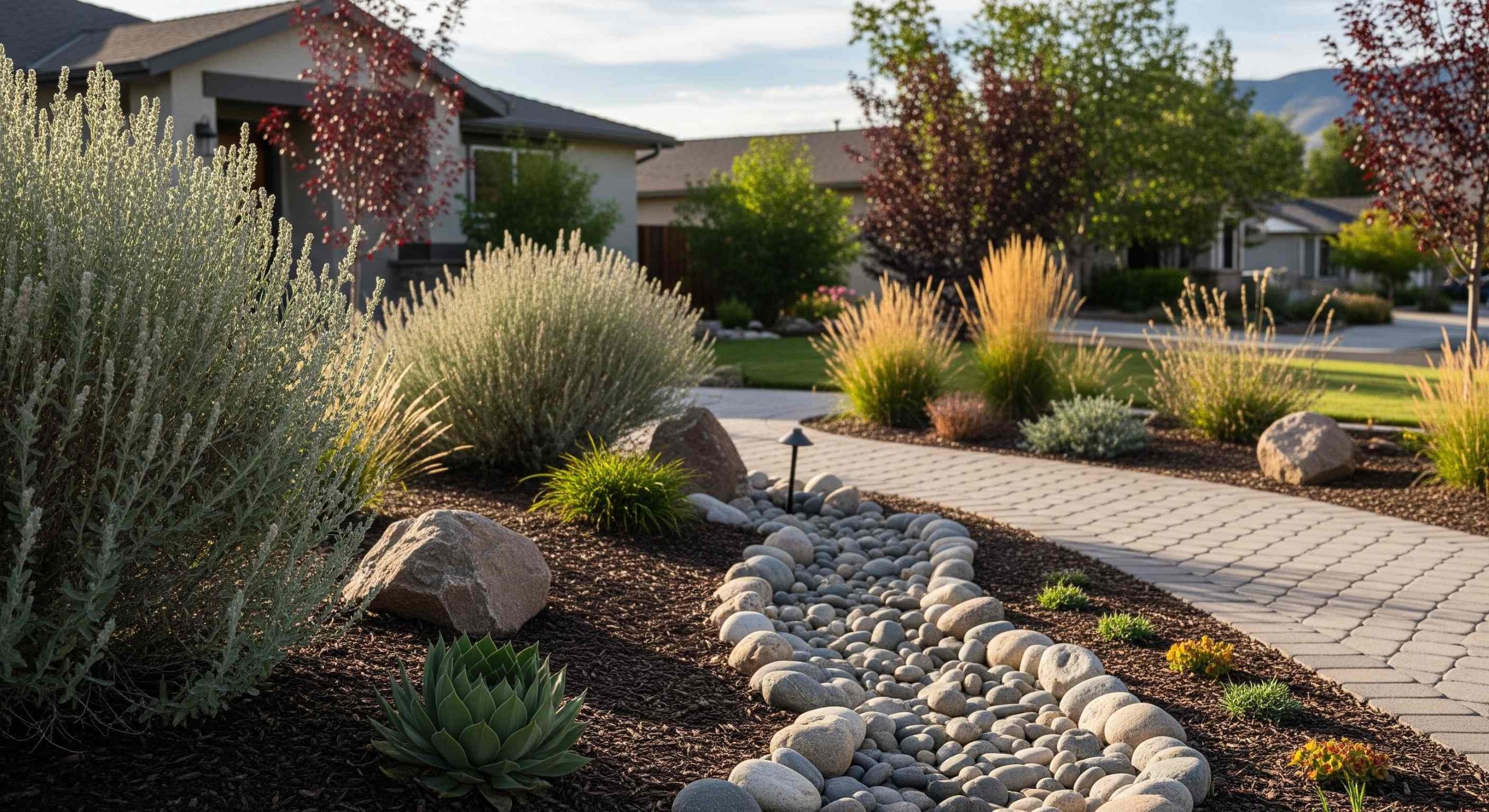
Permeable paver installation maintains hardscaped area functionality while allowing natural water infiltration. Throughout Reno and Sparks, permeable pavers handle freeze-thaw cycles better than concrete while reducing surface runoff. Professionally designed water features like rain gardens collect and filter stormwater runoff while displaying native plants seasonally. Rock-lined swales improve irrigation efficiency by capturing and slowly infiltrating water that would otherwise run off, creating functional landscape focal points.
Performance and Financial Benefits
Sustainable landscape design with irrigation efficiency reduces maintenance requirements over time. Conventional landscapes often require increasing inputs of water, fertilizer, and labor as they age, while well-designed sustainable landscapes become more self-sufficient each season.
Smart irrigation systems provide precise seasonal adjustments reflecting natural weather patterns and plant growth cycles. Weather-based controllers automatically adjust schedules based on actual conditions, ensuring plants receive supplemental water only when needed.
- Reduced water costs result from sustainable landscapes typically using 40-60% less water than conventional designs while supporting healthier plant communities. For Carson City and Incline Village homeowners, this creates significant annual water bill savings, especially during drought years with irrigation restrictions.
- Increased property value occurs as environmental consciousness among buyers makes sustainable landscapes property value drivers. Appraisers recognize that water-efficient landscapes reduce ongoing ownership costs while improving curb appeal.
- Lower maintenance expenses develop through reduced need for fertilizers, pest control treatments, and frequent replanting, meaning lower ongoing costs and less time spent on yard work.
Planning Your Transformation
Converting existing landscapes to sustainable, water-efficient designs doesn’t require complete renovation. Many homeowners throughout Reno, Sparks, and surrounding communities use phased approaches gradually transforming outdoor spaces while spreading costs over time.
Start by identifying the least sustainable landscape elements. Areas with high water use, frequent maintenance requirements, or poor plant performance become redesign priorities, often providing the most noticeable improvements in appearance and efficiency. Consider actual property use patterns and prioritize accordingly. High-visibility areas like front yards and main entertainment spaces might receive attention first, with less prominent areas addressed later.
Professional landscape design and rendering services help visualize sustainable transformations before implementation, ensuring the final result meets both aesthetic and functional goals. Sustainable landscape design requires expertise in plant ecology, irrigation technology, soil science, and construction techniques. Experienced professionals identify opportunities and problems not obvious to homeowners, saving time and money while ensuring successful results.
Taking the Next Step Toward Water-Wise Landscaping
Sustainable landscape design with irrigation efficiency represents investment in environmentally responsible and financially sensible property ownership. Homeowners throughout Carson City, Incline Village, Reno, and Sparks using this approach find that working with nature creates more functional, sustainable, and enjoyable landscapes.
Rock Solid Landscape’s experienced team has been creating sustainable outdoor spaces since 2004, combining deep local knowledge with innovative design approaches to deliver lasting results. For consultation on sustainable design and irrigation systems, contact Rock Solid Landscape at 775-618-0621 to explore creating water-wise outdoor spaces in Nevada’s high desert environment.
Frequently Asked Questions
What are the main benefits of sustainable landscape design with irrigation efficiency in Nevada?
Sustainable landscape design reduces water usage by 40-60%, lowers maintenance costs, improves property values, and creates landscapes better adapted to Nevada’s high desert climate while supporting local wildlife and reducing environmental impact.
How much water can I save with professional irrigation installation in Reno or Carson City?
Properly designed micro-irrigation and drip systems can reduce water usage by 30-50% compared to conventional sprinkler systems while improving plant health through precise water delivery to root zones.
What native plants work best for sustainable landscaping in Northern Nevada?
Sagebrush varieties, native bunch grasses, penstemon, lupine, and desert paintbrush provide excellent color, texture, and seasonal interest while requiring minimal water once established and supporting local ecosystem health.
Do I need to completely renovate my existing landscape to make it more sustainable?
No, many homeowners successfully use phased approaches to gradually transform outdoor spaces, starting with high-priority areas like high water-use zones or poor-performing plants while spreading costs over time.
How do permeable pavers support sustainable landscape design?
Permeable pavers maintain hardscaped functionality while allowing natural water infiltration, reducing surface runoff, supporting nearby plant health, and handling Nevada’s freeze-thaw cycles better than traditional concrete surfaces.