
Paver Patios in Reno, NV: What Works in High Desert Conditions
Paver patios in Reno, NV need to be built for more than appearance. High desert sun, alkaline soil, dramatic day-to-night temperature swings, and winter freeze-thaw cycles all affect how a patio performs over time. When the base is thin, drainage is ignored, or the material choice does not fit the site, patios can settle, separate, or look worn much faster than homeowners expect.
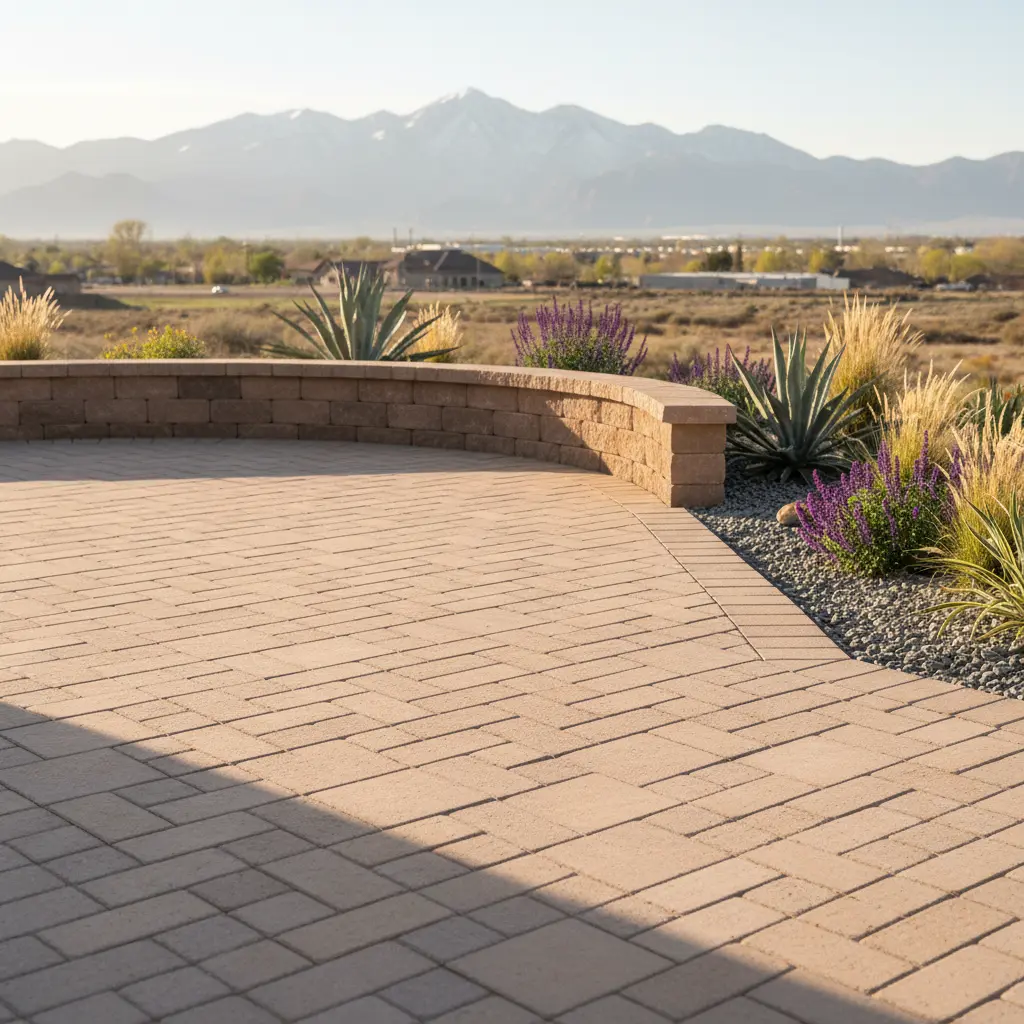
At Rock Solid Landscape, we design and install patios around how Reno properties actually function. That means evaluating grade, drainage, base depth, and how the patio connects to the rest of the yard before the first paver goes down. A strong patio should feel finished, usable, and durable through every season.
Why Pavers Are a Strong Fit for Reno Conditions
Compared with a single concrete slab, pavers handle movement better. Because individual units can flex slightly, the surface is usually more forgiving when soil shifts or temperatures change. That matters in Reno, where freeze-thaw cycles and dry-to-wet soil changes can put real stress on hardscape surfaces.
Pavers also make future maintenance easier. If one section stains or settles, individual pieces can be adjusted or replaced without tearing out the entire patio. That long-term serviceability is one reason so many homeowners prefer pavers for outdoor living areas.
Base Preparation Matters More Than the Pattern
The visible pattern gets the attention, but the hidden structure does the real work. Successful paver patios in Reno, NV depend on excavation depth, compacted aggregate base, bedding material, edge restraint, and drainage planning that fits the property. If any of those parts are skipped or rushed, the finished patio is much more likely to move or dip.
Drainage is especially important. Reno does not get constant rain, but heavy runoff events and snowmelt can still create trouble if water has nowhere to go. A patio should direct water away from the house and avoid creating low spots that collect moisture around the hardscape or adjacent planting areas.
Material and Color Choices for High Desert Use
Not every paver looks or performs the same in full sun. Lighter tones often stay more comfortable underfoot during summer, while textured finishes can provide better traction and do a better job hiding fine dust. Those details matter when the patio is meant to be used regularly instead of admired from inside the house.
The patio should also fit the rest of the landscape. When pavers are planned alongside retaining walls, walkways, or adjacent planting areas, the finished project feels intentional instead of patched together over time.
Designing a Patio That Supports Outdoor Living
A good patio layout does more than create a flat surface. It should make room for furniture placement, traffic flow, and the way the space will actually be used. Some Reno homeowners want a quiet seating area, while others need space for grilling, entertaining, or connecting the patio to a larger backyard plan.
That is why design conversations matter early. When the patio is sized correctly and tied into the surrounding landscape design-build plan, it becomes a real extension of the property instead of a hardscape feature that feels undersized or isolated.
When to Start Planning a Paver Patio Project
Spring through early fall is usually the best working window for patio installation in Reno, but design decisions should start before the busy season fills up. That gives time to evaluate grading, finalize materials, and coordinate any related improvements like walls, steps, or drainage work.
If the yard has slope issues, erosion, or an awkward transition from the house to the landscape, solving those layout problems at the same time usually creates a much better finished result than treating the patio as a standalone project.
FAQs About Paver Patios in Reno, NV
Do pavers hold up better than concrete in Reno?
In many cases, yes. Pavers usually handle seasonal movement better because the system can flex slightly instead of forcing a large slab to absorb every shift.
Why does base prep matter so much?
The compacted base, bedding layer, edge restraint, and drainage plan are what keep the patio stable and help prevent settling or uneven surfaces.
Can a patio be combined with other outdoor features?
Absolutely. Many of the best projects connect patios with walkways, retaining walls, lighting, or a broader landscape plan so the whole yard works together.
If you are planning a new outdoor living space, contact Rock Solid Landscape to schedule a consultation for paver patios in Reno.