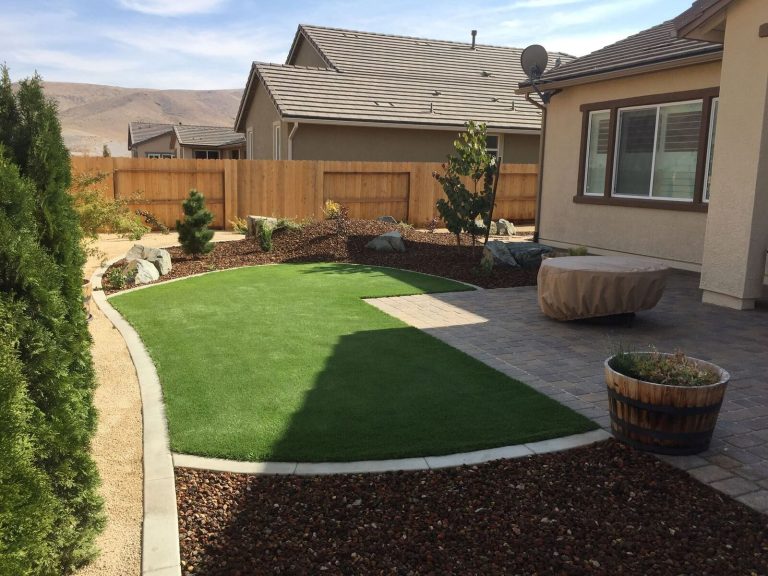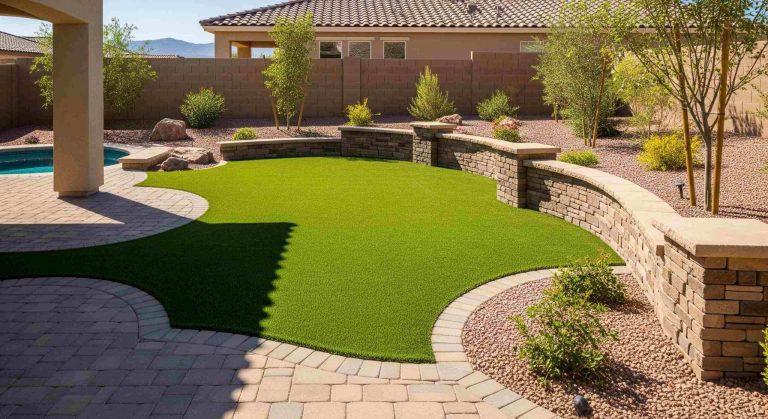

Artificial Turf Installation in Sparks, NV: What the Process Actually Looks Like This Summer
If you’ve ever tried to dig a planting hole in a Sparks backyard in June, you already know what we’re working with. The native soil across much of the Truckee Meadows sits somewhere between compacted clay and decomposed granite, and by midsummer it bakes into something closer to ceramic than earth. Grass roots that managed to hold on through spring start giving up around this time of year, leaving behind the patchy, straw-colored lawns that are a near-universal sight in Sparks neighborhoods right now. It’s not a maintenance failure. It’s just what high desert conditions do to cool-season turf. For homeowners in Reno, NV and across the metro area who are tired of fighting that cycle, artificial turf installation sparks nv has become one of the most practical landscape decisions available, and June is the most common time we get the call.
Why Sparks Yards Create Specific Conditions for Artificial Turf
The Truckee Meadows sits at roughly 4,500 feet elevation, which means intense UV exposure, low humidity, and temperature swings that can exceed 40 degrees between a summer afternoon and the same night. Those conditions accelerate the breakdown of natural grass and also affect how artificial turf needs to be specified and installed. Not every product holds up equally here.
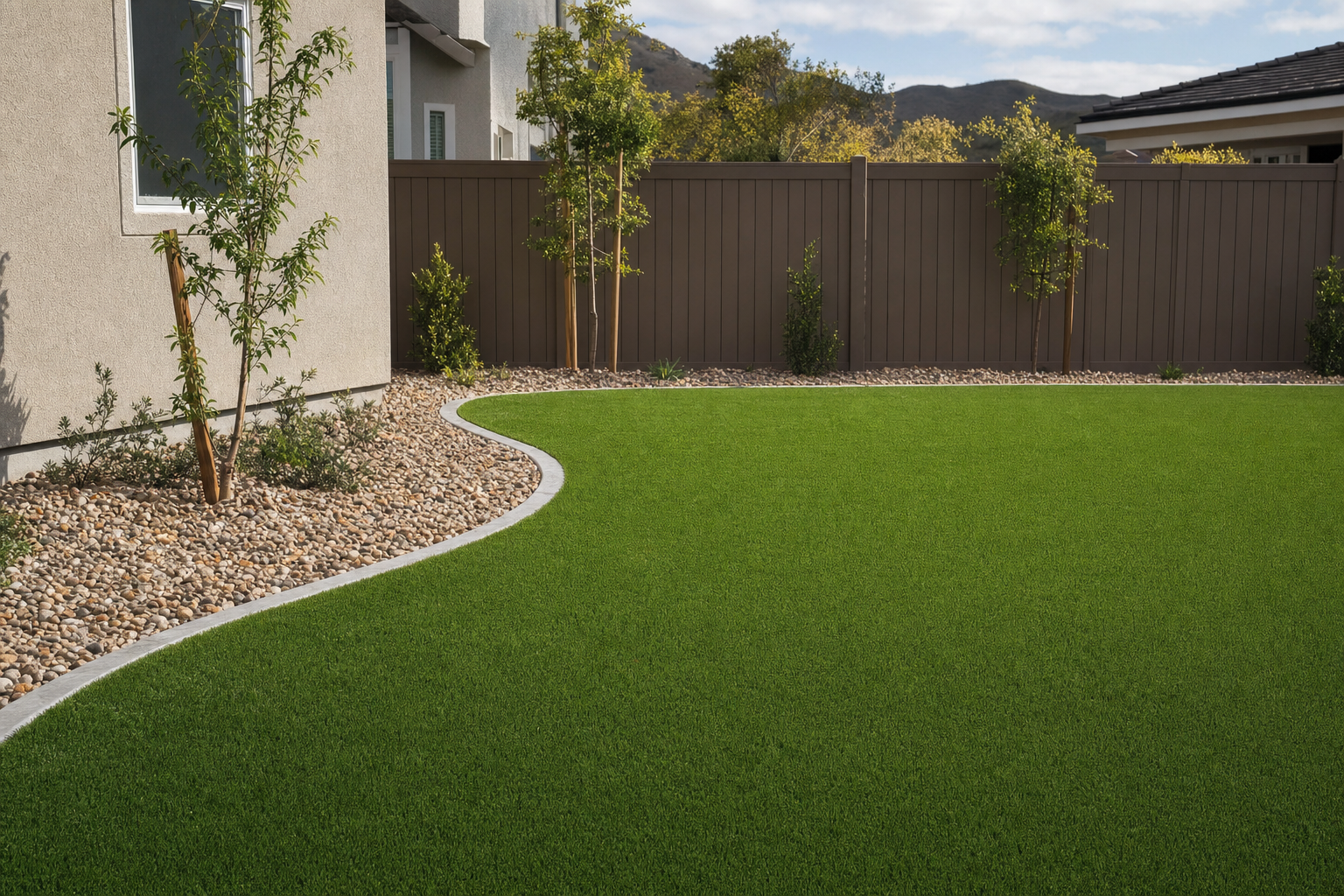
We select turf products rated for high UV environments with a minimum of a ten-year warranty on color retention. Cheaper products fade noticeably within two to three seasons at this elevation. Pile height, blade shape, and infill material all factor into how the finished surface performs in heat. A flat-blade turf with black crumb rubber infill will absorb and radiate significantly more heat than a thatch-style product with silica sand or coated infill. In a yard where kids and pets spend time, that difference is real and noticeable.
The soil composition also matters more than most homeowners expect. Because Sparks soil drains poorly in some areas and too fast in others depending on the specific lot, the base preparation underneath the turf is where the long-term performance is actually determined. A properly prepared base prevents settling, eliminates drainage problems, and keeps the surface level over time. Skipping or rushing that stage is the single most common reason artificial turf installations fail prematurely.
What Artificial Turf Installation Sparks NV Actually Involves, Step by Step
The process starts with removing existing vegetation. We use sod cutters for grass and hand tools for more established root systems, then excavate to a depth of three to four inches across the entire project area. That depth gives us room to build a proper aggregate base without raising the finished grade above surrounding hardscape edges, which matters especially where turf meets paver patios or walkways.
Once excavation is complete, we compact the native soil, then install a layer of Class II road base aggregate, typically three inches, and compact that in lifts. A laser level or string line keeps the grade consistent and ensures positive drainage away from the structure. Weed barrier fabric goes down next, followed by the turf itself, which we roll out, cut to shape, and seam where necessary. Seam placement is one of the more technical parts of the job. Seams need to run parallel to the primary viewing angle and be positioned away from high-traffic areas to stay invisible over time.
Infill goes in last, distributed evenly with a drop spreader and then brushed into the pile with a power broom. That brushing step is what gives the turf its upright, natural appearance. A typical residential backyard of 500 to 800 square feet takes our crew one to two days from excavation through final brushing. Larger projects or those combined with other work, like retaining walls or outdoor lighting, run longer and are scheduled in phases.
For a more detailed look at what the process looks like from the homeowner’s perspective, our post on artificial grass installation in Reno covers the full sequence with additional context.
HOA Requirements and Water Restrictions in the Sparks Area
Two factors are pushing more Sparks homeowners toward artificial turf this summer than in previous years. The Truckee Meadows Water Authority has maintained tiered pricing and seasonal restrictions on outdoor irrigation, and many neighborhoods in Sparks fall under HOA guidelines that require maintained, green front yards year-round. Those two requirements are increasingly in conflict when you’re trying to keep natural grass alive on a restricted watering schedule through July and August.
Most HOAs in the Sparks area now explicitly permit artificial turf in front yards provided the product meets minimum quality standards, typically defined by pile height and color range. We’ve worked through the approval process with several HOAs in the Spanish Springs and Wingfield Springs areas and can help homeowners understand what documentation is typically required before installation begins. Getting that approval in writing before we break ground protects everyone.
If you’re also evaluating your overall water use, pairing artificial turf installation sparks nv with a drip irrigation system for surrounding plant beds is a common approach. You eliminate turf irrigation entirely while keeping water-efficient drip lines for shrubs and perennials. Our post on drip irrigation in Reno explains why standard sprinkler systems don’t work well in high desert conditions and what a proper system looks like instead.
How to Know Your Yard Is a Good Candidate
Artificial turf installation sparks nv works well in most residential yard configurations, but a few conditions make it an especially strong fit. If your yard has areas that receive less than four hours of direct sun and grass simply refuses to establish, turf solves that permanently. If you have a dog run or pet area that turns to mud or bare dirt under heavy use, turf with proper drainage handles that better than any grass variety. And if your water bill spikes every summer trying to keep a lawn alive that looks marginal at best, the math on turf tends to work out within three to four years depending on yard size.
Yards with significant grade changes may need retaining wall work done first to create stable, level planting areas. We assess that during the initial site visit. If you’re thinking about a broader redesign that includes turf alongside other elements, our 3D design and rendering service lets you see the full project before any ground is broken, which is particularly useful for front yards where curb appeal and HOA compliance both matter. You can reach our team through the contact page to schedule a site visit before summer scheduling fills in further.
July ground temperatures in Sparks regularly exceed 130 degrees at the surface, which affects infill selection more than any other single factor. If your project is still a few weeks out, that’s the detail worth asking about when you talk to any installer.