
Automatic Sprinkler Installation for New Homes in Northern Nevada
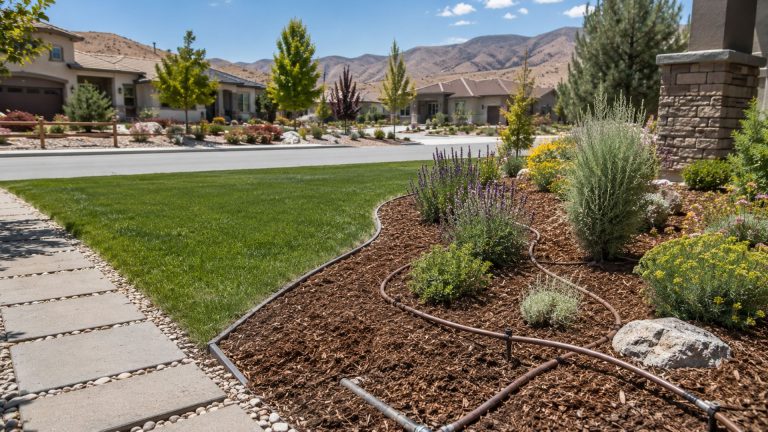
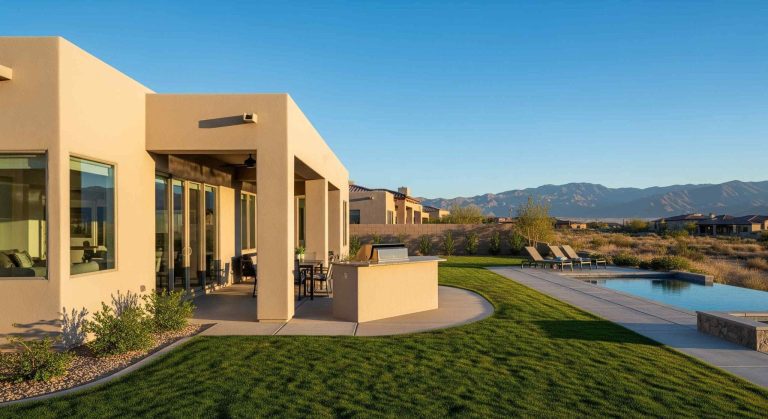
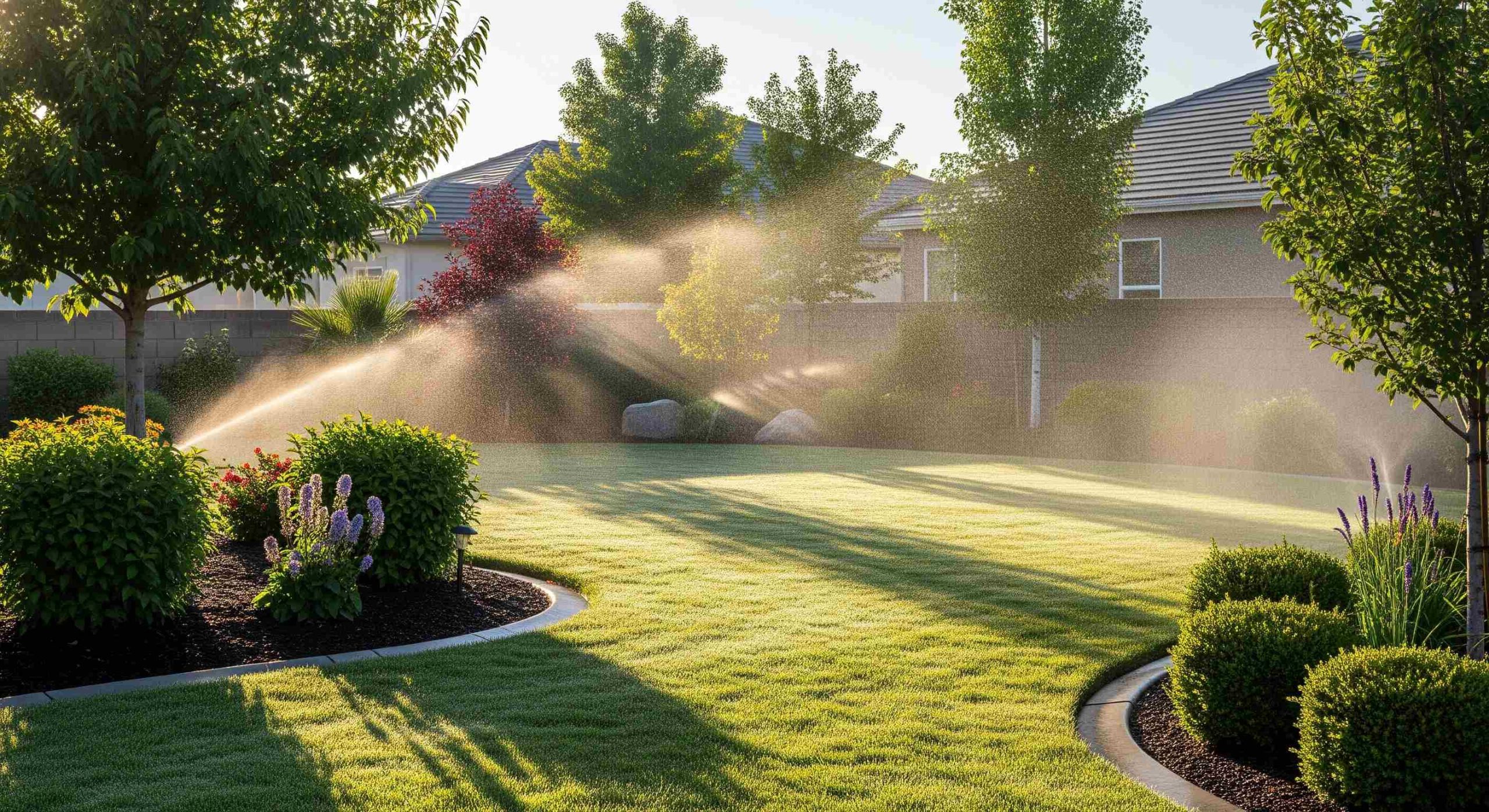
Moving into your first home brings excitement, pride, and—let’s be honest—a fair share of overwhelming decisions. Between choosing paint colors, arranging furniture, and figuring out which end of a rake to hold, the last thing you want is to spend your precious weekend mornings dragging hoses around your yard. That’s where automatic sprinkler installation for new homes becomes your secret weapon for maintaining a beautiful landscape without the daily hassle.
Summer in the Reno area presents the perfect window for installing an irrigation system. With temperatures soaring and rainfall scarce, your new lawn and plantings need consistent moisture to establish strong roots. Rather than setting multiple phone alarms to remind yourself to water (and inevitably forgetting anyway), a professional irrigation installation ensures your landscape thrives while you focus on settling into your new community.
Why New Homeowners Are Choosing Automated Irrigation
The benefits of automatic sprinkler installation for new homes extend far beyond convenience, though that’s certainly a major draw. Smart irrigation systems deliver water precisely when and where your plants need it most, often using 20-30% less water than manual watering methods. This efficiency translates to lower utility bills and a smaller environmental footprint—two wins that align perfectly with Northern Nevada’s commitment to water conservation.
For new homeowners juggling busy schedules, automated systems eliminate the guesswork and time commitment of manual watering. Whether you’re traveling for work, enjoying a weekend getaway at Lake Tahoe, or simply dealing with an unexpectedly hectic week, your landscape maintenance continues seamlessly. This consistency is crucial during your plants’ establishment period, when irregular watering can mean the difference between a thriving garden and costly replacements.
Understanding Your Irrigation System Options
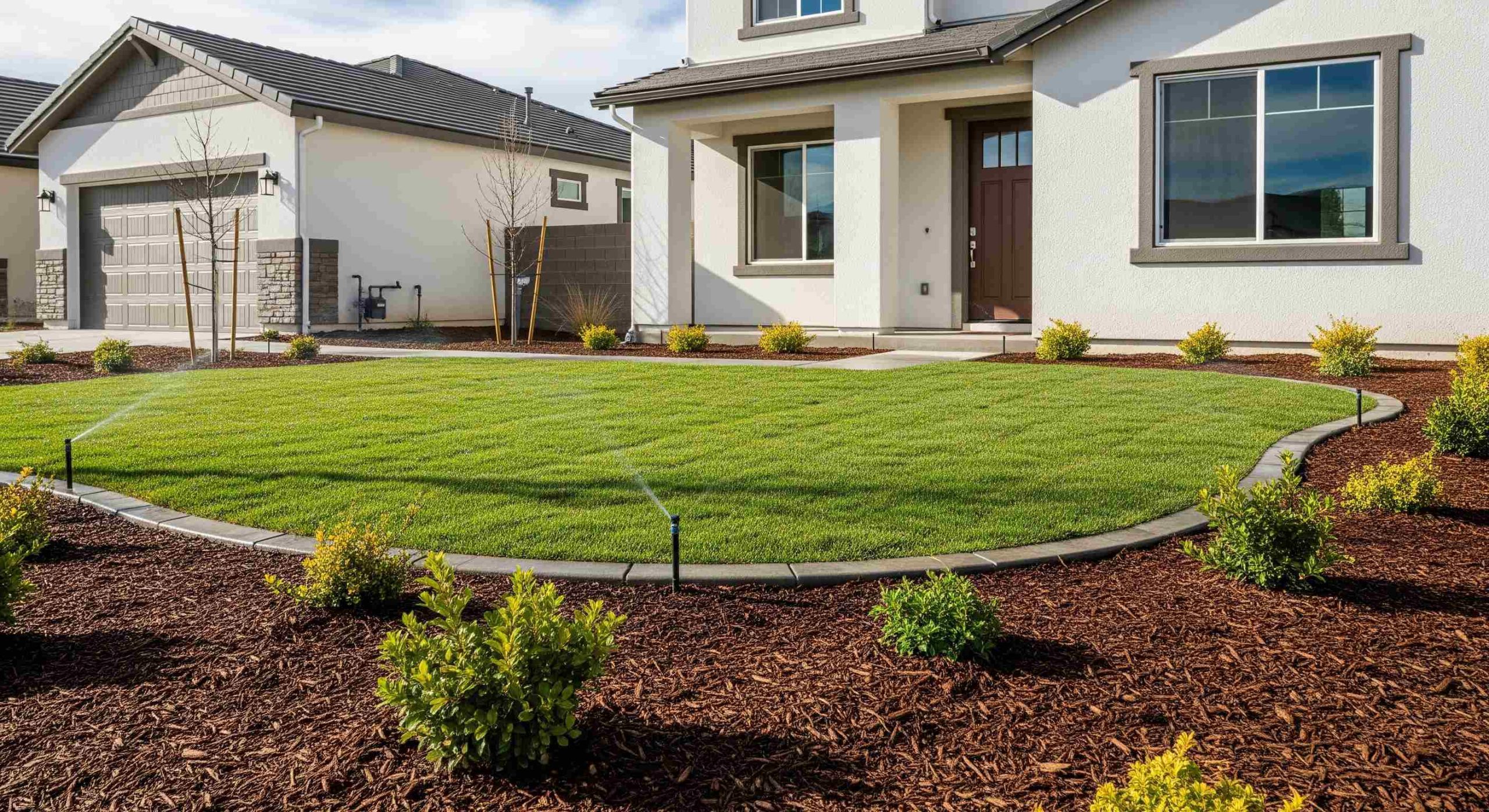
Spray Irrigation Systems These systems work well for smaller areas, flower beds, and newly seeded lawns. Spray heads distribute water in a fan pattern, covering areas typically ranging from 4 to 15 feet in radius. They’re ideal for:
- Compact residential lots
- Areas with mixed plantings
- Slopes that require gentle water application
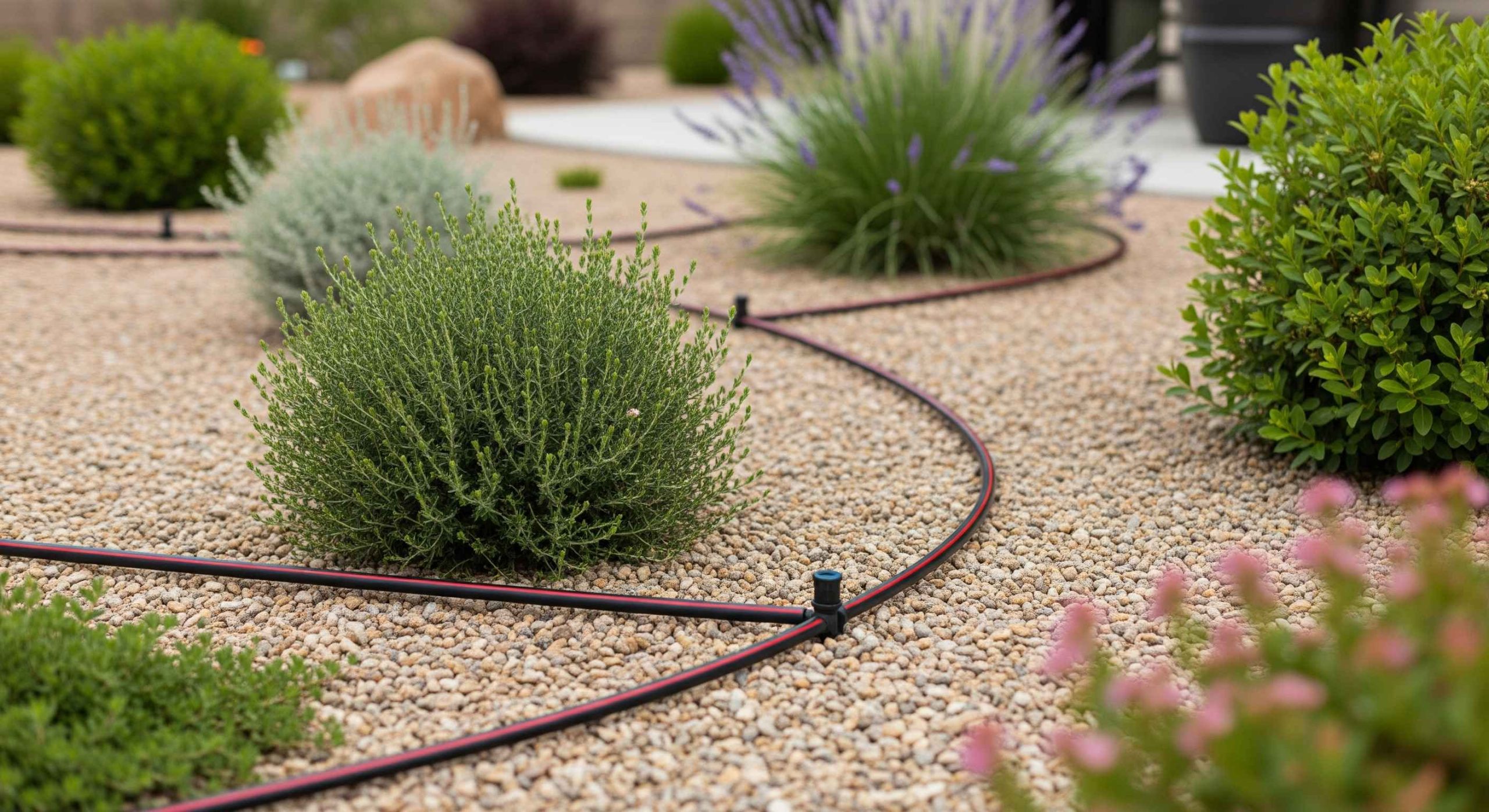
Drip Irrigation Systems Perfect for water-wise landscaping, drip systems deliver water directly to plant roots through a network of tubes and emitters. This method virtually eliminates evaporation and runoff, making it excellent for:
- Established trees and shrubs
- Vegetable gardens
- Desert and drought-resistant plantings
- Areas with challenging soil conditions
Rotor Systems Best suited for larger lawn areas, rotors distribute water in a rotating pattern, covering distances up to 40 feet. They’re particularly effective for:
- Expansive grass areas
- Open landscape zones
- Properties with varying terrain
Smart Controller Technology Modern irrigation controllers can adjust watering schedules based on weather conditions, soil moisture, and seasonal plant needs. Many systems connect to your smartphone, allowing you to monitor and adjust settings remotely—perfect for busy homeowners who want control without constant manual intervention.
The Installation Process: What to Expect
Understanding the installation process helps set realistic expectations and ensures you’re prepared for each phase.
Phase 1: Design and Planning (1-2 weeks)
Your irrigation professional will assess your property’s unique characteristics, including:
- Soil type and drainage patterns
- Plant water requirements
- Water pressure and flow rates
- Local building codes and restrictions
- Existing landscape features
This assessment often integrates with comprehensive landscape design services to ensure your irrigation system complements your overall outdoor vision.
Phase 2: Permits and Approvals (1-2 weeks)
Most municipalities require permits for irrigation system installation. Experienced contractors handle this paperwork, ensuring compliance with local regulations and proper cross-connection prevention measures.
Phase 3: Installation (2-5 days)
The actual installation involves:
- Marking utility lines for safety
- Trenching for main water lines and zones
- Installing pipes, fittings, and sprinkler heads
- Connecting to your water source
- Programming and testing the controller
- Backfilling and landscape restoration
Phase 4: System Testing and Training (1 day)
Your contractor will walk you through system operation, seasonal adjustments, and basic maintenance procedures. This training ensures you can maximize your system’s efficiency and longevity.
Investment Considerations: Cost and Timeline
Installation Costs Automatic sprinkler installation for new homes typically ranges from $3,000 to $8,000, depending on several factors:
- Property size and complexity
- Number of irrigation zones required
- Type of system components selected
- Site conditions and accessibility
- Controller sophistication level
While this represents a significant upfront investment, most homeowners recover costs through water savings, reduced plant replacement expenses, and increased property value within 3-5 years.
Project Timeline From initial consultation to system activation, expect 2-4 weeks for a typical residential installation. This timeline can vary based on:
- Permit processing requirements
- Weather conditions
- Contractor availability
- System complexity
Summer installations often experience faster permit processing, as municipal offices anticipate increased irrigation demand during peak growing season.
Choosing the Right System for Your Property
Assess Your Landscape Needs Start by evaluating your property’s specific requirements:
- Lawn areas versus planted beds
- Sun exposure patterns throughout the day
- Soil drainage characteristics
- Existing plant materials and future landscape plans
Consider Water Source Limitations Your home’s water pressure and flow rate determine how many zones can operate simultaneously. A professional irrigation assessment will identify these limitations and design an appropriate system configuration.
Plan for Future Expansion If you’re planning additional landscaping projects, discuss these with your irrigation designer. Installing stub-outs for future zones during initial construction saves significant costs later.
For areas where you want to minimize water usage entirely, consider exploring how artificial turf can maintain green spaces while complementing your irrigation system in other landscape zones.
Evaluate Smart Technology Features Modern irrigation controllers offer various smart features:
- Weather-based watering adjustments
- Soil moisture monitoring
- Remote smartphone control
- Water usage tracking and reporting
- Integration with home automation systems
For more comprehensive outdoor automation, consider how irrigation systems can work alongside professional outdoor lighting installation to create a fully integrated landscape experience.
Selecting Your Installation Partner
Experience and Credentials Look for contractors with:
- Proper licensing and insurance coverage
- Irrigation Association certification
- Local references and portfolio examples
- Established business history in your area
Comprehensive Service Approach The best irrigation contractors offer complete solutions, from initial design through ongoing maintenance. Companies like Rock Solid Landscape, serving the Reno area since 2004, provide integrated landscape design and irrigation services, ensuring your sprinkler system complements your overall outdoor vision.
Communication and Transparency Choose contractors who:
- Provide detailed written estimates
- Explain system components and operation clearly
- Offer realistic timelines and stick to them
- Maintain open communication throughout the project
Maximizing Efficiency and Sustainability
Water-Wise Programming Proper scheduling is crucial for system efficiency:
- Water early morning to minimize evaporation
- Adjust seasonal run times based on plant needs
- Use shorter, more frequent cycles for clay soils
- Program longer intervals for sandy soils
Regular Maintenance Simple maintenance tasks ensure optimal performance:
- Monthly visual inspections for broken or clogged heads
- Seasonal controller adjustments
- Annual professional system check-ups
- Winterization in areas with freezing temperatures
Smart Landscaping Choices Complement your irrigation system with water-efficient landscape design:
- Group plants with similar water needs
- Use mulch to retain soil moisture
- Select drought-tolerant plants appropriate for Northern Nevada’s climate
- Design efficient irrigation zones based on sun exposure and plant types
- Consider artificial turf installation for high-traffic areas to reduce overall water requirements
Making Your Decision Work for You
The transition to homeownership brings enough challenges without adding daily watering chores to your growing to-do list. Automatic sprinkler installation for new homes offers a practical solution that saves time, conserves water, and maintains your landscape’s health consistently.
Summer installation provides optimal timing for system establishment before fall planting season and winter dormancy. With proper planning and professional installation, your automated irrigation system will serve as a reliable foundation for years of beautiful, low-maintenance landscaping.
For more detailed insights into the sprinkler system design and installation process, explore our comprehensive guide covering everything from initial planning to long-term maintenance.
Ready to explore how an automatic sprinkler system can simplify your new home’s landscape maintenance? Contact Rock Solid Landscape at 775-618-0621 to schedule your consultation. With over two decades of experience serving homeowners throughout the Reno area, their team provides the expertise and personalized service that transforms overwhelming irrigation decisions into straightforward solutions. Your future self will thank you for making the smart choice today.
Frequently Asked Questions
How long does it take to install a sprinkler system in a new home?
The complete installation process takes 2-4 weeks from consultation to activation. This includes 1-2 weeks for design and permits, 2-5 days for actual installation, and 1 day for testing and training. Summer installations often process faster due to anticipated seasonal demand.
What type of irrigation system is best for new homes in Northern Nevada?
The best system depends on your landscape needs. Spray systems work well for smaller areas and flower beds, drip irrigation excels for water-wise plantings, and rotor systems suit larger lawn areas. Smart controllers with weather-based adjustments are ideal for Northern Nevada’s climate.
When is the best time to install automatic sprinklers for new homes?
Summer is the optimal time for automatic sprinkler installation in new homes. This timing allows system establishment before fall planting season and winter dormancy, while municipal permit processing is typically faster during peak irrigation season.