
Why Winter Is the Best Time to Plan Your Spring Projects
Right now, while the holiday season winds down and family schedules feel a bit more manageable, your backyard is probably sitting quietly in the background. It’s maybe muddy, patchy, and not quite ready for the active season ahead. Spring will arrive faster than you think, and families across the region know firsthand how quickly “I’ll get to that project” turns into an entire season of missed entertaining opportunities and kids playing in yards that aren’t safe or functional. But here’s what many homeowners don’t realize. Winter is actually the golden window for planning the best backyard projects to plan in winter for spring installation. The benefits go far beyond just getting ahead. They touch on budget predictability, material availability, and peace of mind that lasts through the entire building process.
Why Winter Planning Matters More Than You’d Think
Winter transforms the landscape industry in ways that directly benefit your family’s timeline and wallet. Contractors aren’t racing between back-to-back spring installations, which means your project gets genuine attention during the planning phase. Design consultations happen faster. Approvals move smoother. Material suppliers have inventory on hand instead of operating under supply constraints. All of this translates to clearer communication, more realistic timelines, and pricing that doesn’t fluctuate based on seasonal demand spikes.
Beyond logistics, winter planning removes the psychological weight of uncertainty. You’ve already made decisions about your family’s outdoor space. You know what will work, what won’t, and what fits your budget. You can approach spring with confidence rather than anxiety.
The Best Backyard Projects to Prepare Now for Spring Readiness
Not every project makes sense for winter planning, but several categories are perfectly suited to thoughtful preparation and spring installation:
Hardscape Features for Safety and Function
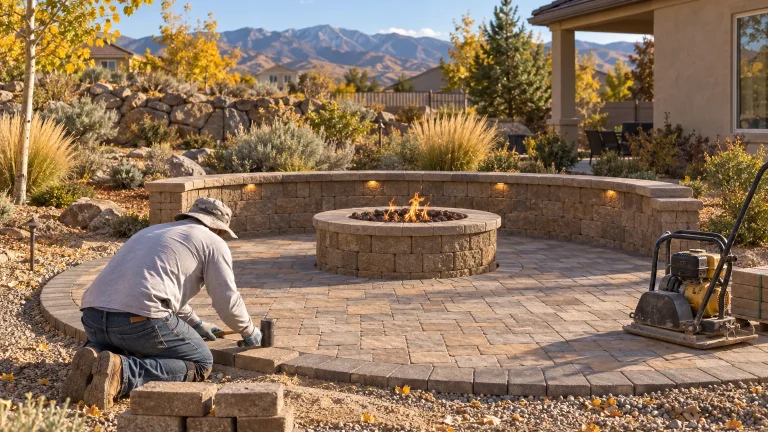
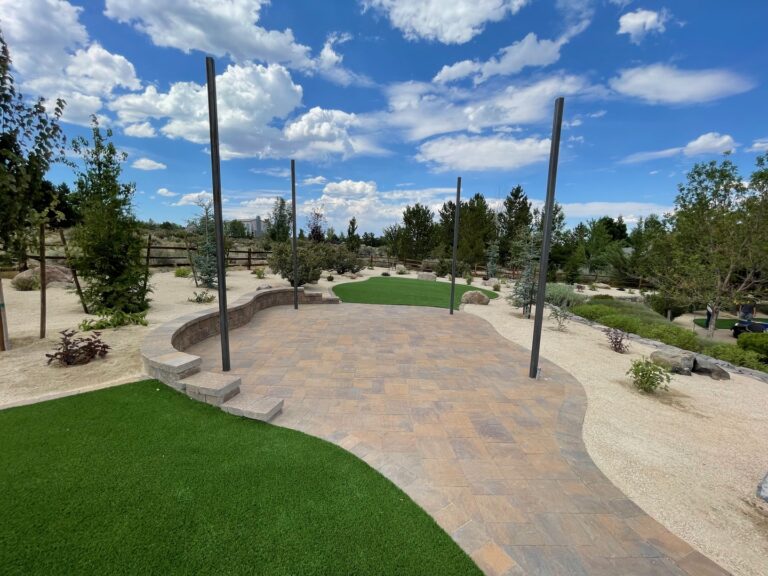
Paver patios, walkways, and driveways form the backbone of a low-maintenance yard that families actually use. Unlike grass that requires consistent watering, mowing, and seasonal care, pavers provide a durable, stable surface that works beautifully for entertaining, kid’s activities, and reducing muddy footprints traipsing through your home. Pavers typically last 25+ years when properly installed with good drainage, and maintenance involves occasional sweeping and rinsing rather than chemical treatments.
The investment in quality pavers pays dividends. They’re slip-resistant, which is a huge safety win for kids and pets. They won’t crack in freeze-thaw cycles if installed correctly. They’re virtually maintenance-free compared to traditional concrete or asphalt. Winter is ideal for deciding on paver types, colors, and patterns because you’re not under time pressure. Learn more about the benefits of paver patios and how they transform outdoor spaces.
Retaining Walls to Maximize Sloped Terrain
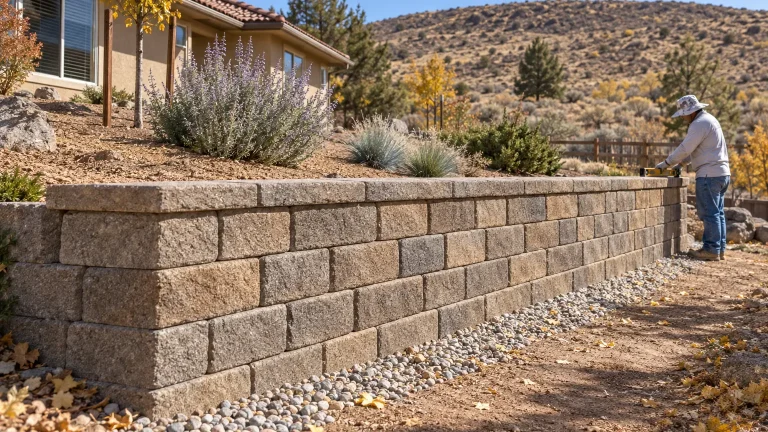
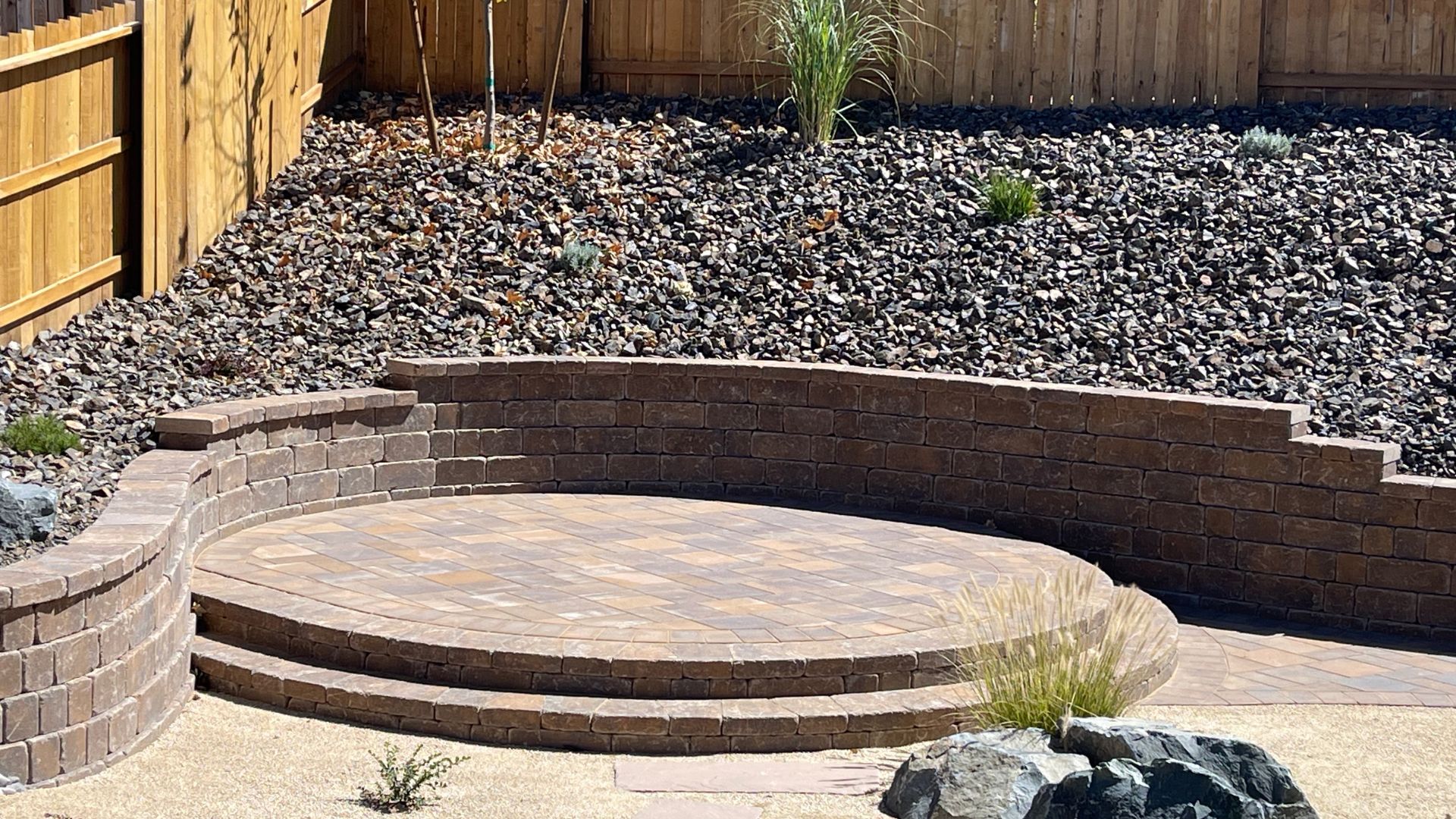
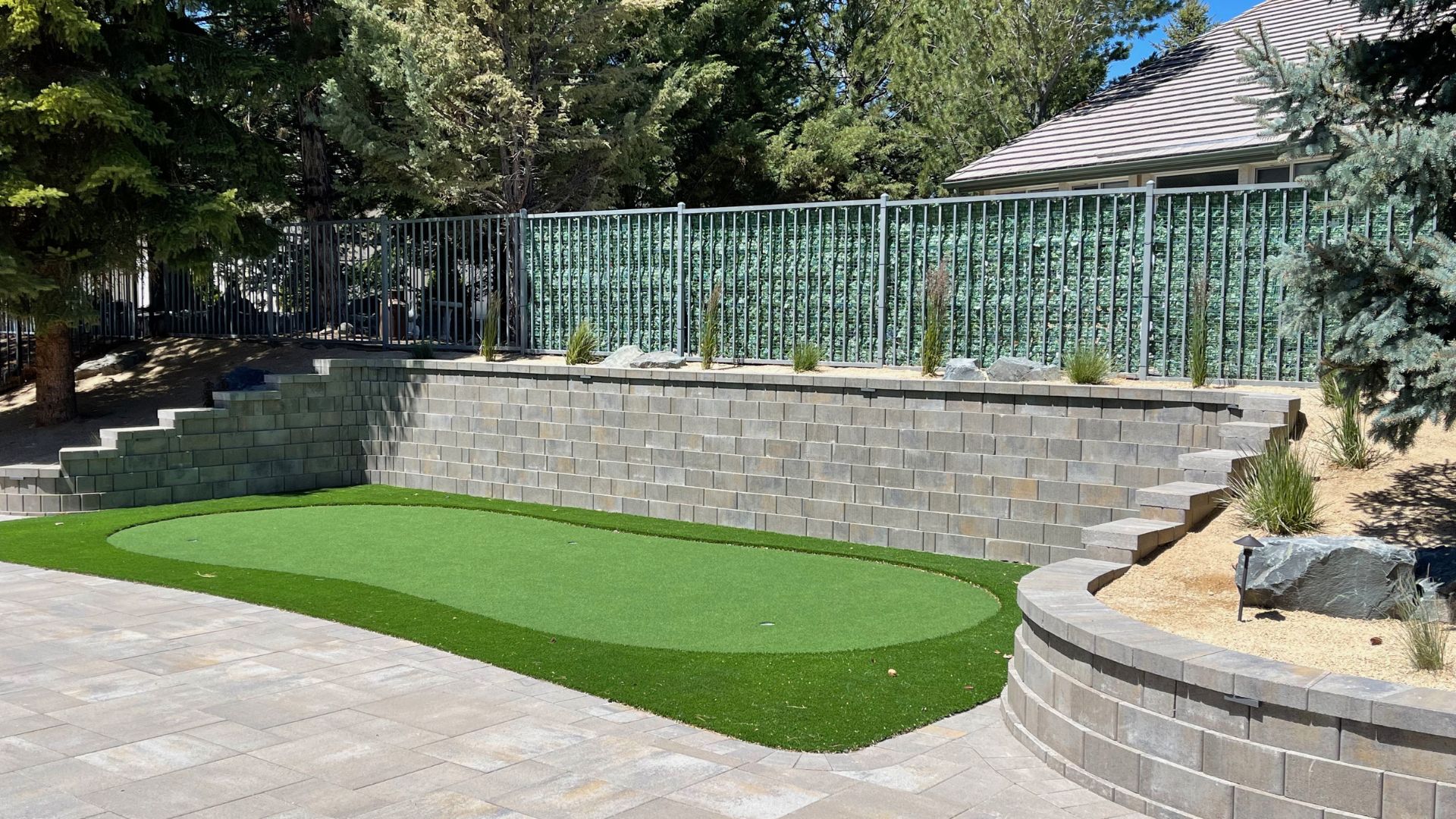
Many families deal with sloped yards that feel unusable. A retaining wall transforms that challenge into opportunity by leveling out space for a patio, play area, or garden beds. Winter planning lets you think through how a wall could reshape your yard’s functionality without rushing the design phase. Quality retaining walls built with proper drainage and durable materials like stone or concrete last decades and handle your region’s weather variations.
Artificial Turf for Year-Round Usability
For families with pets, kids, or high water consciousness, artificial turf eliminates the muddy yard problem entirely. Modern turf looks natural, feels realistic underfoot, and requires zero watering. Winter is perfect for assessing if turf makes sense for your space, what infill type works best, and how to combine it with hardscape features for a complete low-maintenance solution. Understanding how artificial turf keeps your lawn green year-round can help you make the right choice for your family.
Smart Irrigation System Upgrades
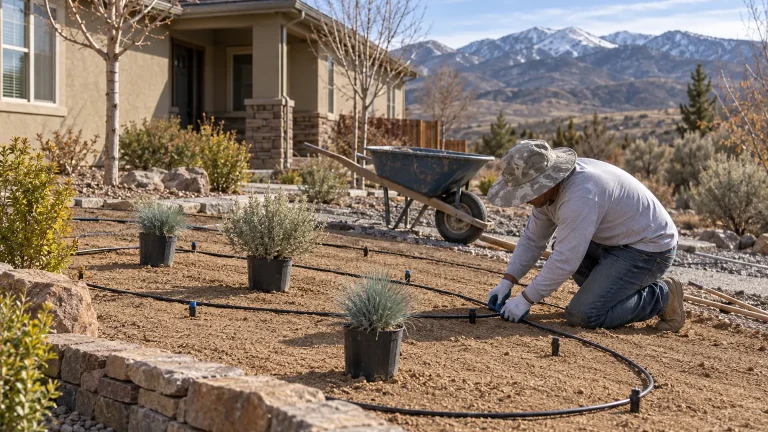
Planning ahead gives you time to evaluate your current irrigation and decide if upgrades are necessary for spring. Irrigation installation featuring drip systems, zone controls, and smart timers reduce water waste significantly. Often they cut outdoor water use by 30-50%. When you plan in winter, you understand exactly what you need before contractors are stretched thin in spring.
Outdoor Lighting and Living Features
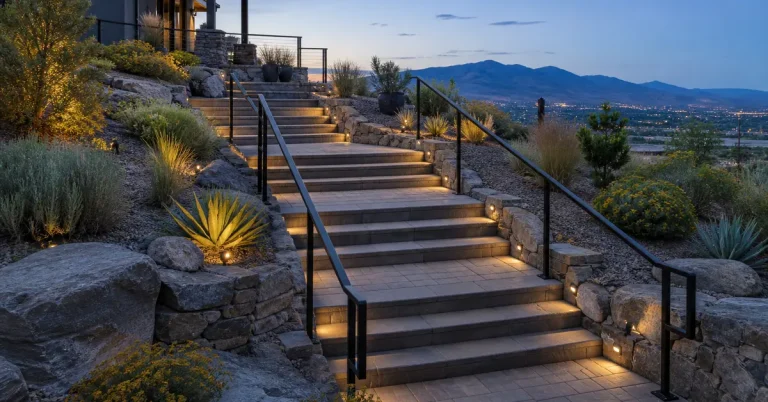
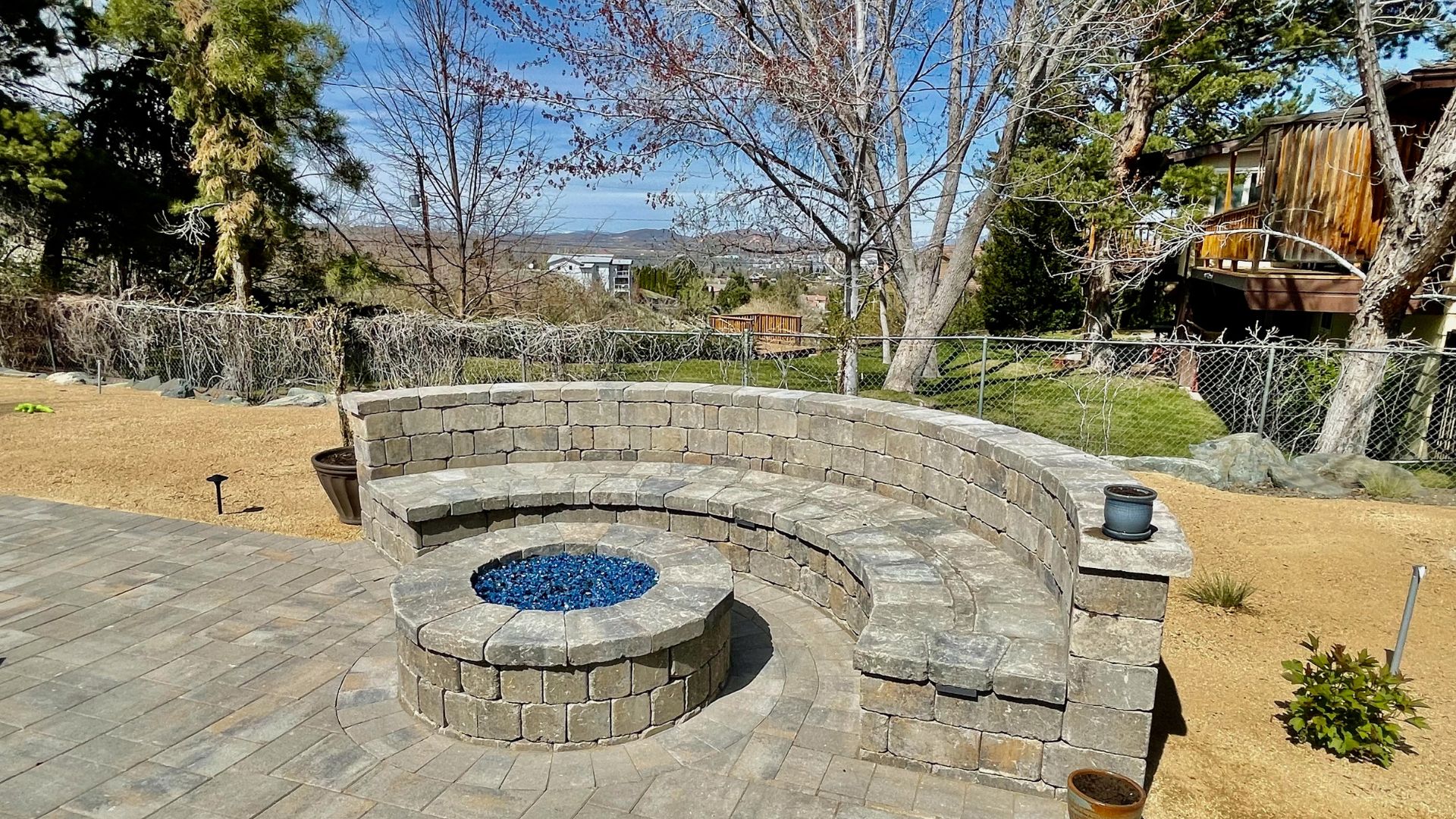
Winter planning also covers lifestyle upgrades. Outdoor lighting for safety and ambiance, fire pits for gathering, and water features that add visual interest tie together a complete outdoor living space. Your space will be ready to enjoy the moment warm weather arrives.
Key Design and Material Considerations That Matter
When you’re planning these projects, certain decisions matter most:
Material Durability. Choose materials tested for your region’s climate. Quality pavers, stone, and properly engineered retaining walls stand up to freeze-thaw cycles and heavy use. Winter planning gives you time to research durability ratings rather than rushing into budget options that fail in a few seasons.
Drainage and Grading. Poor drainage is the number one reason hardscape projects fail. Winter planning ensures your contractor thinks through water management from the start. That includes slopes, base preparation, and drainage solutions so your new patio doesn’t become a puddle zone.
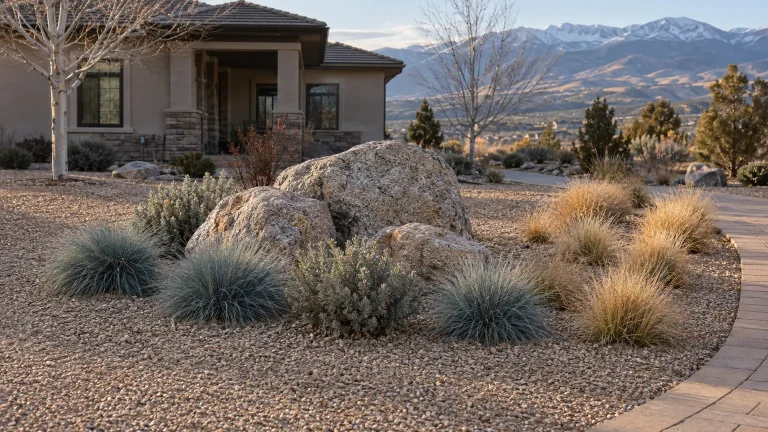
Balancing Hardscape and Softscape. A beautiful yard blends hard features like pavers, walls, and lighting with soft elements like plants, turf, and garden beds. Winter planning helps you envision this balance rather than installing one element and struggling to make others fit later.
Safety Features. For families with young children or pets, winter planning emphasizes visibility, non-slip surfaces, and secure fencing around water features or drop-offs. These considerations shouldn’t be afterthoughts.
Peace of Mind Comes to Families Who Plan Early
Families who plan their backyard projects in winter report less stress, more realistic expectations, and projects that actually enhance their quality of life rather than create headaches. You’re not scrambling for availability. You’re not dealing with supply shortages driving up costs. You’re not watching the spring season slip away while your outdoor space remains unusable.
When spring arrives, your family steps outside into a yard that’s safer, more functional, and genuinely ready for the season ahead. Kids have a secure place to play. The mud is gone. Your water bills stabilize. Entertaining becomes effortless. That’s not just better landscaping. That’s reclaiming time and peace of mind during the busiest season of the year.
The best backyard projects to plan in winter for spring installation are the ones that matter most to your family’s lifestyle. If it’s pavers for durability, artificial turf for low maintenance, proper irrigation for water efficiency, or retaining walls for usable space, winter planning ensures thoughtful decisions rather than reactive ones.
Start Planning Your Spring Backyard Today
If you’ve been thinking about your yard, winter is calling. Reach out to Rock Solid Landscape at 775.618.0621 or visit rocksolidnv.com to start planning a space that works for your family. You can also see completed projects and customer experiences online at https://share.google/CfWtCZKyLwL4b85JT, where families across the region share their transformation stories. Learn more about Rock Solid Landscape’s approach to quality and service. A simple conversation today can set the stage for an outdoor space that’s ready to shine the moment spring arrives.
Frequently Asked Questions
What are the best backyard projects to plan in winter?
Paver patios, retaining walls, artificial turf, irrigation systems, and outdoor lighting are all great projects to plan during winter. These upgrades benefit from extra time for design decisions, material selection, and scheduling, since contractors tend to have more availability in the off season. Winter planning also allows you to line up installations before spring demand increases.
Why is winter the best time to plan hardscape projects?
Winter planning gives you access to better contractor availability, quicker design feedback, and more predictable material pricing. With less seasonal pressure, communication is clearer and timelines are more realistic, which helps projects move smoothly once installation season begins in spring.
How long do paver patios and retaining walls last?
Well installed paver patios typically last 25 years or more when built on a properly prepared base with good drainage. Retaining walls made from stone or concrete can last for decades when professionally installed. Both options require very little maintenance compared to poured concrete or wood structures.
What should homeowners consider when planning a landscape design?
Homeowners should think about how hardscape features like pavers, walls, and lighting work together with softscape elements such as plants, turf, and garden beds. Proper drainage is critical, along with family safety, long term usability, and choosing materials that can handle local freeze and thaw cycles.
How much maintenance do paver patios require?
Paver patios are very low maintenance. Most care involves occasional sweeping and rinsing to remove debris. When installed correctly with proper drainage, pavers resist cracking during freeze and thaw cycles, making them a practical and durable option for busy households.