
Fall Hardscape Planning Guide for Northern Nevada Homeowners
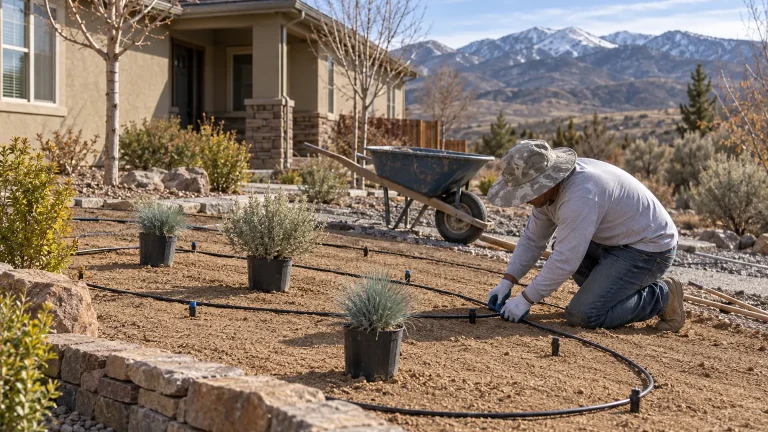
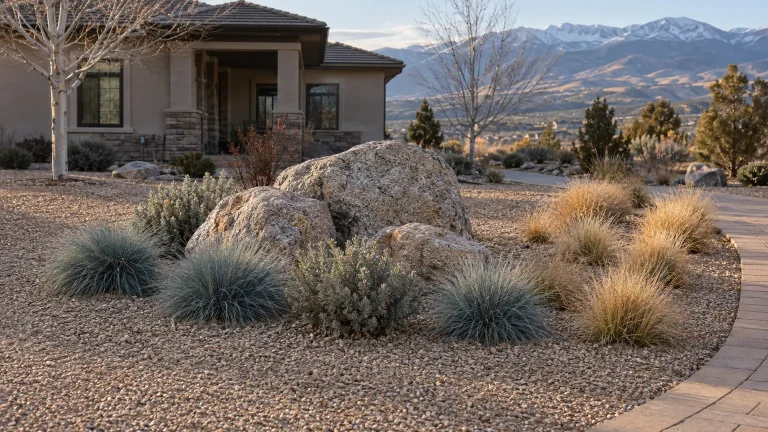
November’s cooler temperatures across the Reno region bring more than seasonal shifts. For homeowners in upscale neighborhoods throughout Northern Nevada, these quieter months offer the perfect window to begin planning outdoor transformations that will come to life next spring. While most people wait until warm weather returns to think about landscape improvements, strategic homeowners recognize that fall planning delivers advantages that directly impact project success.
Planning hardscape projects for spring installation during winter months addresses every major concern affluent homeowners face. Contractor availability improves dramatically. Budget predictability becomes clearer. Design quality increases without deadline pressure. The difference between a March scramble and a November strategy session often determines whether your outdoor space truly reflects your lifestyle or simply fills your yard with generic features.
Northern Nevada’s compressed construction season makes advance planning essential. Ground conditions limit when installation can occur. Experienced contractors book their calendars months ahead. Material availability tightens as demand peaks. Starting design conversations now means you’ll secure preferred installation dates and avoid the premium pricing that comes with last-minute scheduling.
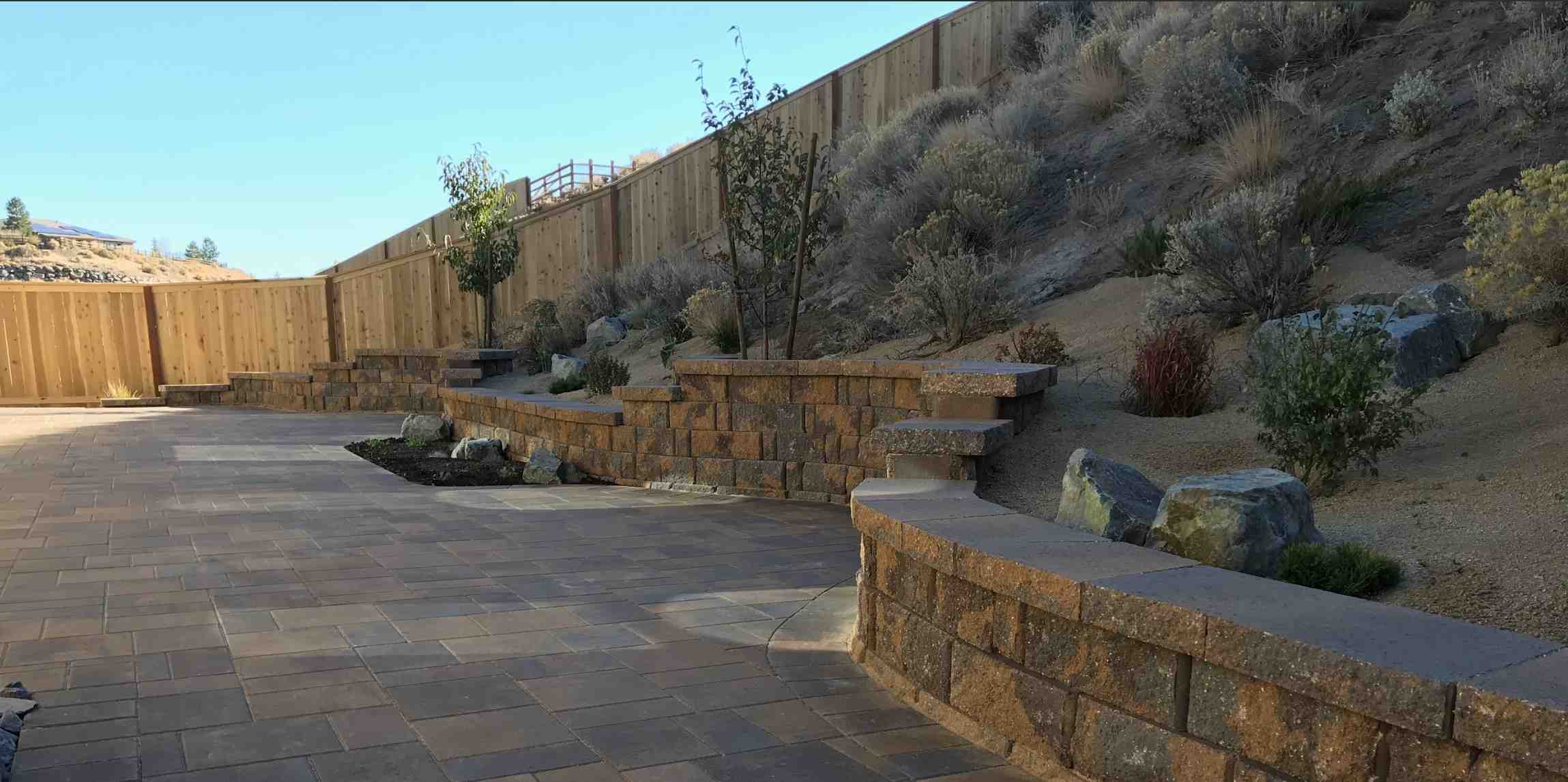
Why Spring Rush Creates Problems
When temperatures climb in March and April, every homeowner who postponed outdoor projects suddenly contacts the same reputable contractors. Wait lists stretch into mid-summer. Material suppliers face inventory challenges. Installation crews work back-to-back projects with minimal flexibility for detailed attention.
Homeowners rushing to complete projects before summer entertaining season inevitably face difficult trade-offs. That custom paver pattern gets simplified to meet deadlines. Stone selections become limited to whatever warehouses stock immediately. Critical drainage planning receives insufficient analysis because compressed timelines don’t allow for comprehensive site evaluation.
Budget implications compound these timing challenges. Contractors managing overwhelming spring demand have limited incentive to negotiate pricing. Rush fees appear on proposals. Change orders multiply when inadequate planning reveals subsurface issues mid-construction. These costs extend beyond immediate financial impact. Inadequate drainage leads to water pooling. Insufficient base preparation causes settling within a few seasons. These problems diminish your investment’s value for years.
Strategic Advantages of Off-Season Design
Professional landscape design and installation in Northern Nevada requires comprehensive analysis of factors many homeowners don’t initially consider. Quality design integrates existing drainage patterns with new construction. It evaluates sun exposure throughout all seasons. It creates logical connections between indoor and outdoor spaces.
Winter’s slower pace allows designers and homeowners to explore possibilities thoroughly. Here’s what comprehensive planning typically includes:
- Initial consultation reviewing your vision, lifestyle needs, and property characteristics
- Detailed site evaluation measuring slopes, drainage patterns, and existing conditions
- Concept development with multiple layout options and material recommendations
- Design refinement incorporating your feedback and addressing technical requirements
- Detailed specifications covering materials, dimensions, and construction methods
- Permit acquisition when local jurisdictions require approval
- Project scheduling coordinated with your timeline preferences
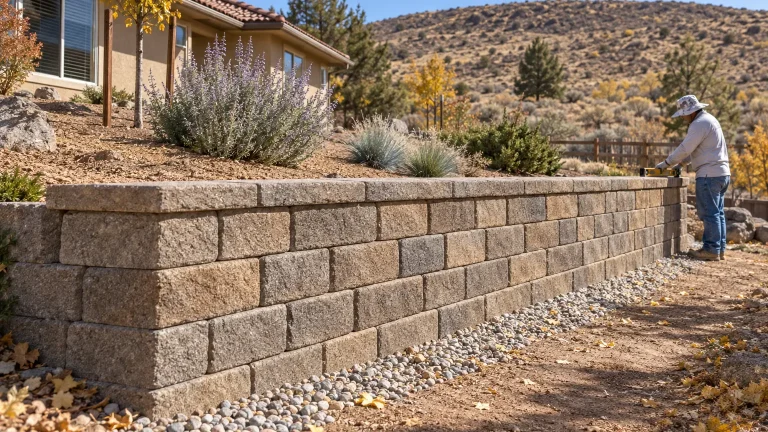
Adequate planning time ensures retaining walls include proper drainage systems. Outdoor kitchen utility requirements get addressed before paver installation begins. Lighting conduit routes logically beneath hardscape rather than requiring disruptive retrofitting later.
Understanding Your Investment
The question dominating every initial consultation centers on budget. What should you realistically plan to invest in your outdoor living space? Honest answers depend on numerous variables specific to your property conditions, design complexity, and material selections.
Several primary factors drive your total investment. Material selection impacts both appearance and cost. Standard concrete pavers provide excellent durability at accessible price points. Interlocking pavers deliver enhanced stability through engineered edges, particularly valuable for driveways. Natural stone options like flagstone create unmatched visual interest but require higher material costs. Understanding the benefits of paver patios helps you make informed decisions about which materials best suit your needs.
Site complexity directly affects installation requirements. Properties throughout Sparks, Carson City, and Incline Village present varying challenges:
- Significant slope necessitates extensive grading and potentially elaborate retaining wall systems
- Rocky soil conditions require specialized excavation equipment and additional labor time
- Limited access through narrow side yards increases difficulty transporting materials
- Existing utilities may need relocation or careful navigation during installation
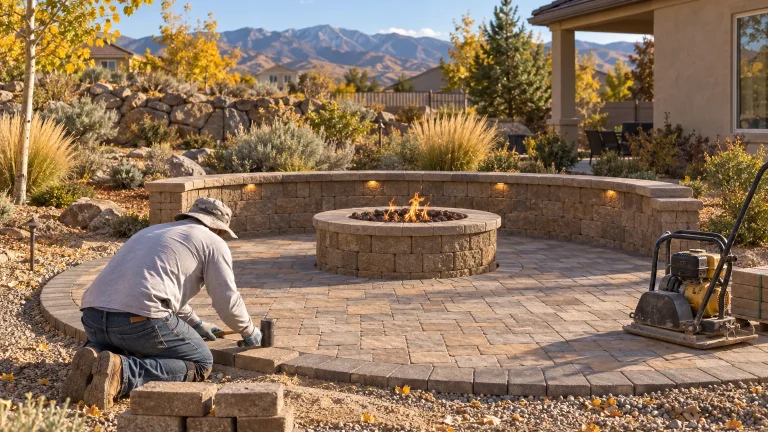
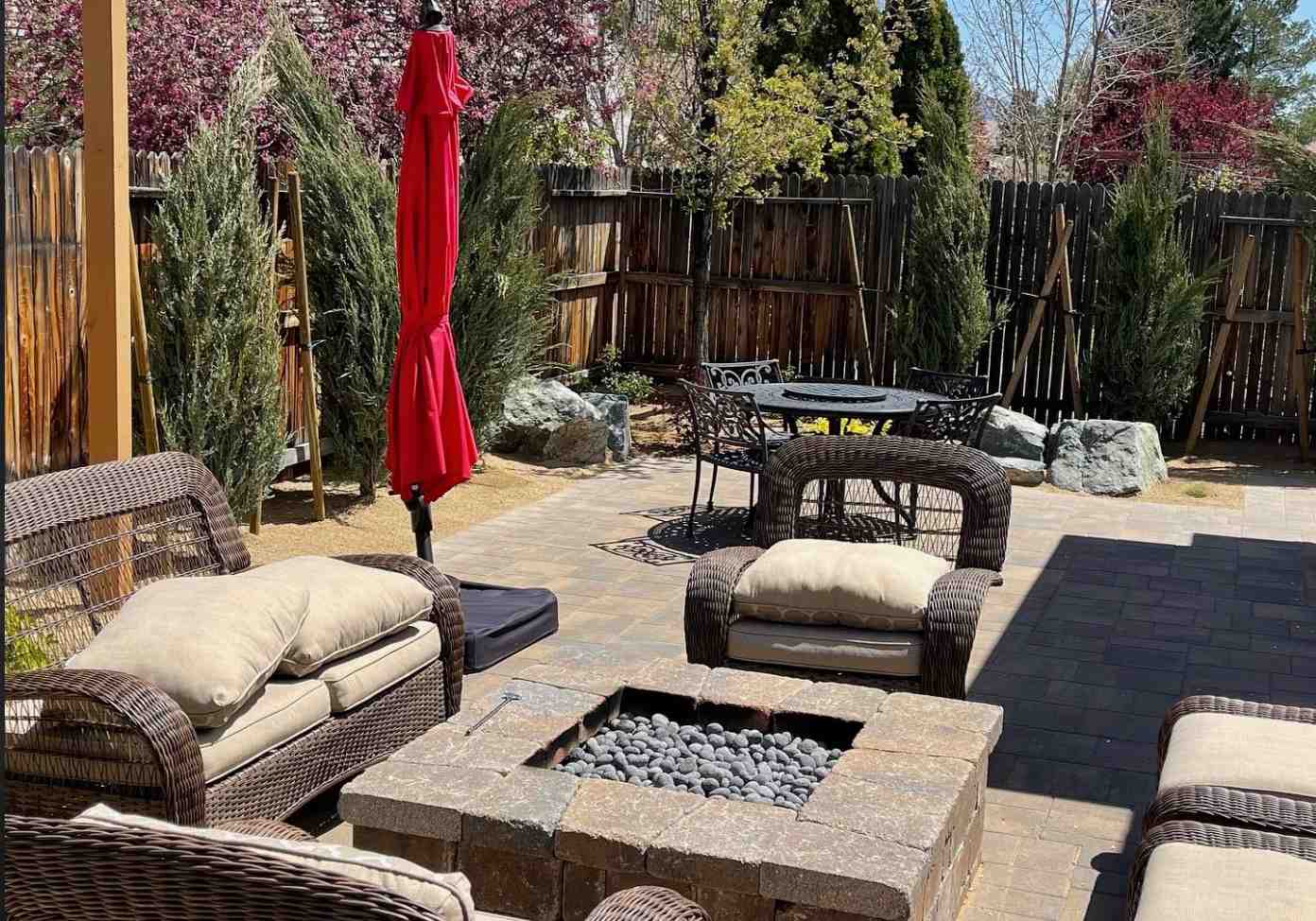
Project scope expands investment considerably. A straightforward paver patio represents one tier. Adding outdoor kitchen components substantially increases both material costs and installation complexity. Incorporating custom fire pits, water features, and comprehensive outdoor lighting adds functionality while expanding the overall investment.
During initial consultations, ask contractors specific questions. What factors might increase costs during installation? How do you handle unexpected subsurface conditions? What’s included in base pricing versus optional upgrades? Companies committed to building trust welcome detailed questions and provide comprehensive written responses.
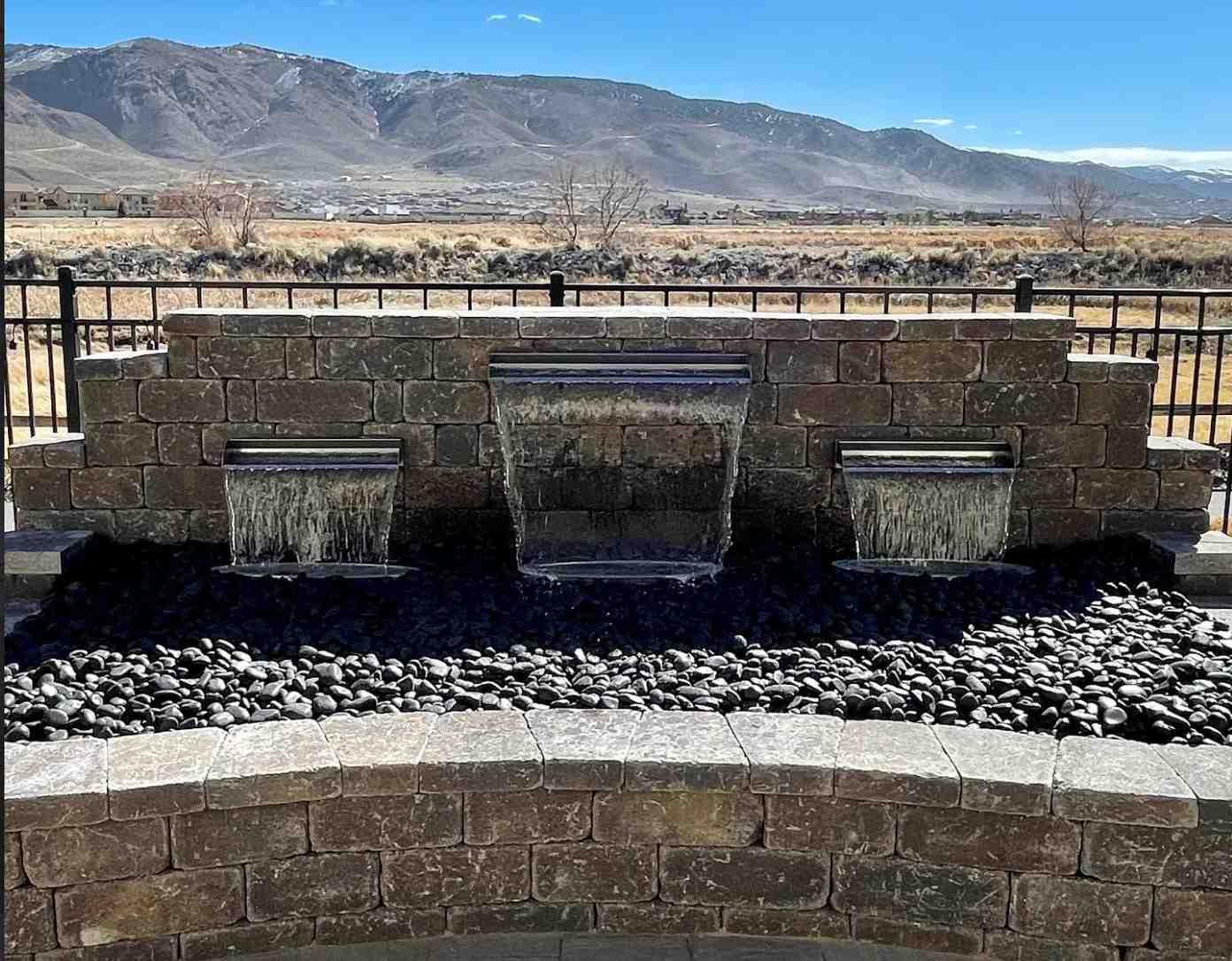
Designing Spaces That Enhance Daily Living
Effective hardscape design begins by understanding how you’ll actually use your outdoor space. Homeowners who envision frequent dinner parties need different layouts than those prioritizing intimate gatherings. Your genuine lifestyle patterns should guide every functional decision.
Think beyond immediate needs toward future evolution. Young families might prioritize open areas for children’s activities now but appreciate built-in flexibility for adding outdoor kitchens later. Professional couples might want sophisticated entertaining infrastructure immediately but should carefully consider maintenance requirements given demanding work schedules.
The most successful outdoor living areas create seamless transitions between indoor and outdoor environments. Paver patios positioned outside main living spaces naturally extend your home’s usable footprint. Outdoor kitchens located conveniently near indoor kitchens simplify food preparation logistics. Thoughtful landscape lighting design connects spaces visually while enhancing safety along walkways.
Choosing Materials for Northern Nevada’s Climate
Our region’s climate challenges many materials that perform adequately in milder areas. Temperature swings from summer highs exceeding 100°F to winter lows well below freezing create expansion stresses. Occasional heavy storms test drainage capacity. Intense high-altitude UV radiation degrades inferior products prematurely.
Quality hardscape materials suited for these conditions share several characteristics. Pavers manufactured with higher density resist freeze-thaw damage more effectively. Sealers formulated for UV stability maintain appearance longer. Polymeric sands designed for temperature extremes remain stable in joints rather than washing out.
Experienced local contractors understand these regional requirements intimately. They specify products proven in our specific conditions rather than following national trends developed for different climates. This regional expertise protects your investment and ensures lasting satisfaction.
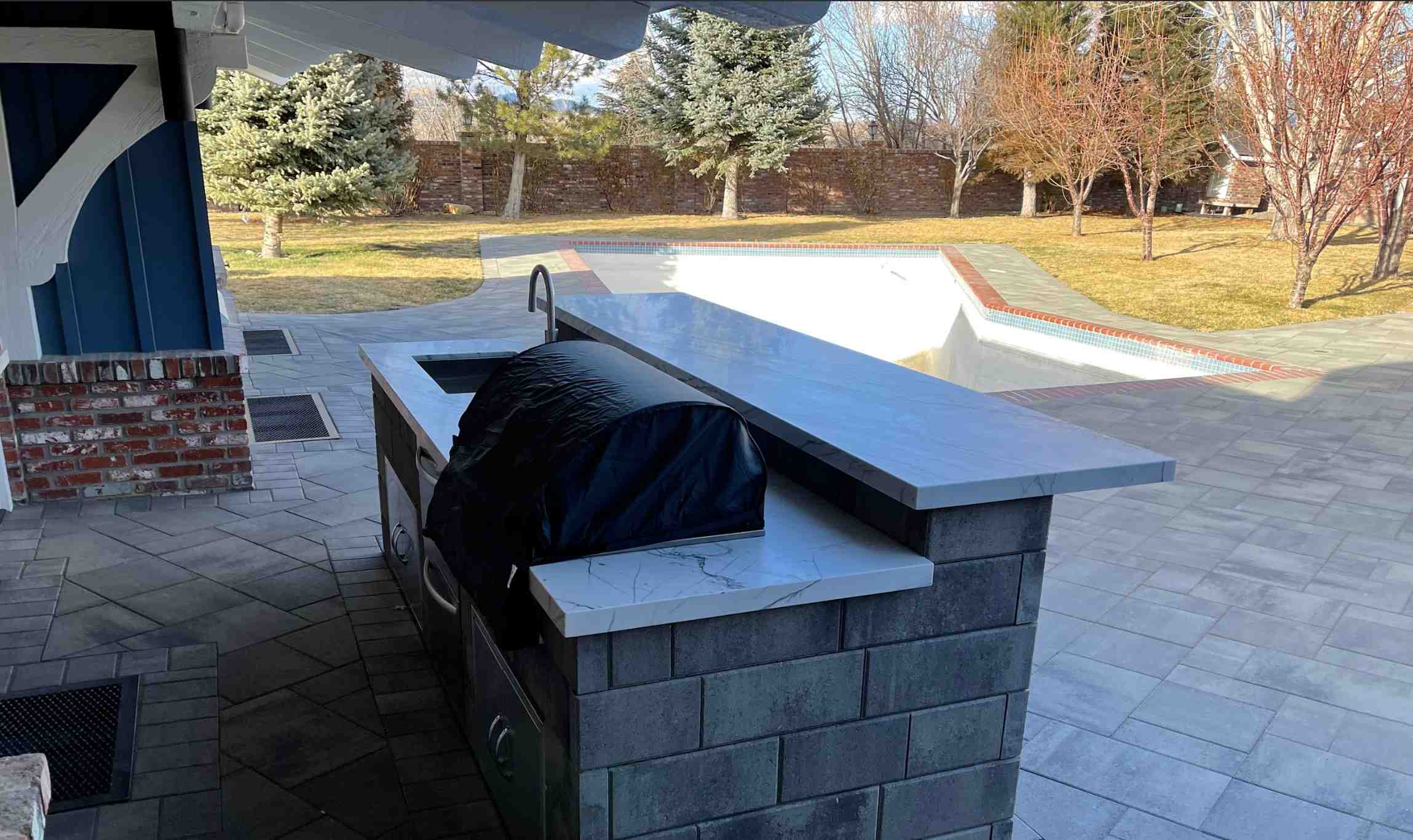
Timeline Expectations and Avoiding Delays
Understanding typical durations for design-build landscape projects helps you plan appropriately. Design development requires three to six weeks for thoughtful decisions. Permitting when required takes two to eight weeks depending on jurisdiction. Material procurement needs two to four weeks, potentially longer during peak demand. Installation execution ranges from one to four weeks based on project scope.
Common delay causes are preventable with proper planning. Inadequate design reveals issues during construction. Permitting complications arise from incomplete applications. Material availability problems occur during peak season. Weather interrupts critical work phases. Scope changes mid-project require design modifications.
How can delays be avoided? Start planning early allowing adequate design time. Work with experienced contractors familiar with local permitting. Select materials with reasonable lead times. Schedule installation during windows offering greatest weather predictability. Finalize all design decisions before construction begins.
The Value of Quality Outdoor Spaces
Well-designed outdoor living spaces consistently add substantial value to upscale properties throughout the region. Professional landscaping improvements typically return 50 to 100 percent of investment when properties sell. More importantly, they enhance your daily quality of life throughout ownership.
Real estate professionals confirm that homes with thoughtfully designed outdoor entertaining areas appeal to buyers increasingly prioritizing lifestyle amenities. Custom fire pits, outdoor kitchens, and professionally hardscaped patios differentiate properties in competitive markets. Quality outdoor spaces fundamentally change how you experience your property daily.
Start Your Spring Project Planning Now
Reputable contractors typically finalize spring installation schedules between January and March. Homeowners who’ve completed design planning during fall receive priority for preferred dates. This scheduling advantage matters considerably when you’re coordinating landscape work with other home improvements or planning around significant life events.
Beginning conversations now means you’ll work collaboratively with designers who can dedicate appropriate attention to your project. You’ll make thoughtful decisions without deadline pressure. You’ll enter spring with confidence that your project will proceed smoothly according to plan.
Rock Solid Landscape has guided Northern Nevada homeowners through this strategic planning process since 2004. Their team brings over two decades of regional experience to every consultation. They understand the unique challenges our climate and soil conditions present. They’ve built their reputation on transparent communication, meticulous attention to detail, and ethical business practices.
Ready to begin planning your outdoor transformation? Call 775-618-0621 or visit rocksolidnv.com to schedule your comprehensive design consultation. Your spring installation success begins with the decisions you make this fall.
Frequently Asked Questions
When is the best time to start planning hardscape installation in Northern Nevada?
Fall and winter months are ideal for planning hardscape projects. This timing allows 3–6 weeks for thoughtful design development, proper permit acquisition, and priority scheduling for spring installation. Starting early helps you avoid the spring rush when contractors book solid and material availability tightens. Learn more about our landscape design process.
What factors affect hardscape installation costs in the Reno area?
Three primary factors drive hardscape costs: material selection (concrete pavers, interlocking pavers, or natural stone), site complexity (slope, rocky soil, and access limitations), and project scope (a simple patio versus an outdoor kitchen with fire features). Reputable contractors provide transparent estimates that clearly break down each cost component. Explore our paver patio options to understand pricing ranges.
How do I choose hardscape materials that withstand Northern Nevada’s climate?
Northern Nevada’s extreme temperature swings—from 100°F+ summers to below-freezing winters—require durable, climate-ready materials. Look for high-density pavers with low water absorption rates to resist freeze-thaw damage, UV-stable sealers, and polymeric sands formulated for temperature extremes. Local contractors with regional experience understand which products consistently perform well in our climate.
What questions should I ask during a hardscape design consultation?
Ask about drainage solutions, required base preparation depth for your soil conditions, structural support for retaining walls, utility coordination needs, warranty coverage, and how the contractor handles unexpected site conditions. Request references from similar completed projects and clarification on what’s included in standard pricing versus optional upgrades. Companies confident in their expertise welcome detailed, informed questions.
How long does hardscape installation typically take in Northern Nevada?
Complete project timelines typically span 8–16 weeks: design development (3–6 weeks), permitting if needed (2–8 weeks), material procurement (2–4 weeks), and installation (1–4 weeks depending on project scope). Proper fall planning prevents spring delays and ensures a smooth project experience. Contact Rock Solid Landscape to discuss your specific timeline at 775-618-0621.